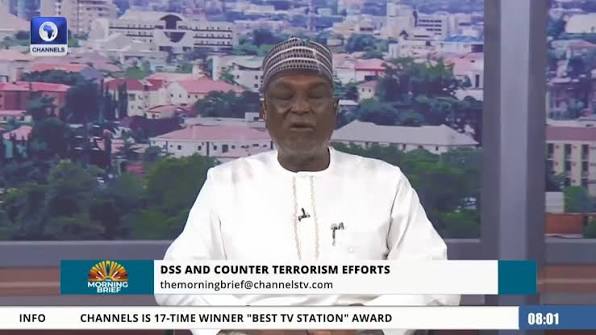


IBADAN, NIGERIA — The revelation by former Assistant Director-General of the Department of State Services (DSS), Mohammed Ngoshe, on Channels Television has cast a stark tactical light on the 56-day captivity of the Oriire school pupils and their teachers. For weeks, public anxiety in Oyo State mutated into intense criticism, with many questioning the perceived inaction of security agencies.
However, Ngoshe’s briefing exposes the high-stakes chess match played out in the Old Oyo National Park forest: a calculated siege designed to starve out the terrorists while keeping the hostages alive, followed by an immediate offensive the moment the children were clear.
The revelation triggers two deeply complex debates that sit at the intersection of counter-terrorism and democratic accountability.
1. Was Waiting the Right Strategy? The Hostage Safety Mandate
From a professional hostage-rescue standpoint, the strategy detailed by Ngoshe—isolating the perimeter, cutting off supply lines, and waiting until the captives were freed before moving in to annihilate the criminal cell—is highly text-book.
               THE DELIBERATE HOSTAGE-RESCUE PROTOCOL
┌─────────────────────────────────┬────────────────────────────────────────┐
│ STAGE 1: COMPRESSION & SIEGE    │ STAGE 2: POST-RELEASE OFFENSIVE        │
├─────────────────────────────────┼────────────────────────────────────────┤
│ • Terrorist hideout encircled.  │ • Captives walk free under pressure.   │
│ • Food, ammo, & logistics cut.  │ • Collateral damage risk hits zero.    │
│ • Informants flipped/arrested.  │ • Full tactical engagement launched.   │
└─────────────────────────────────┴────────────────────────────────────────┘
- The Argument for Strategic Restraint: In asymmetric warfare involving children, a premature kinetic assault usually ends in tragedy. Terrorists facing direct firefights frequently resort to using hostages as human shields or executing them out of desperation. By choking the cell’s logistics and demonstrating overwhelming force through drone/reconnaissance feeds shown to the kidnappers, security forces forced an unconditional release without firing a shot into the camp.
- The Cost of Restraint: This patience, however, came at a heavy price. Three security operatives lost their lives after stepping on Improvised Explosive Devices (IEDs) as the dragnet closed in. Furthermore, leaving children in a harsh forest environment for nearly two months inflicts deep psychological and physical trauma—a reality that fuels public impatience.
2. The Accountability Clash: Full Transparency vs. Operational Secrecy
The public friction surrounding this case highlights a fundamental democratic clash in Nigeria: the public’s right to know versus the state’s need for operational security.
- The Case for Secrecy: Ngoshe vehemently defended the opacity of the operation, stating that “intelligence missions could not be conducted on the pages of newspapers or on the radio.” Disclosing troop movements, specific forest coordinates, or active negotiations while children are in a cave gives the abductors an immediate tactical advantage.
- The Case for Full Details: Conversely, the complete information blackout during the 56 days fed widespread rumors, political point-scoring, and deep public cynicism. Citizens argue that after the victims are safe, the government owes the public a comprehensive debriefing. Transparency is required to verify the presidency’s claim that “no ransom was paid and no concessions were made”—especially given the historical precedent of covert payouts.
The Takeaway
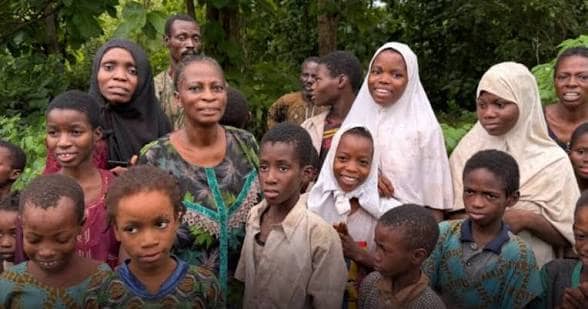
The Oriire operation will likely go down as a rare tactical success where patience prevented a mass tragedy. While the security forces deserve commendation for securing the safe return of the schoolchildren and teachers, the heavy silence during the operation illustrates why trust remains low. Going forward, the security high command must find a middle ground: protecting operational intelligence in the field while delivering transparent, unvarnished facts to the public once the dust settles.