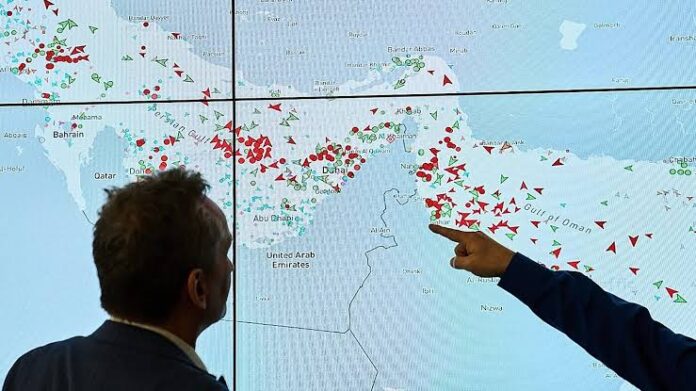


Iran’s Supreme National Security Council has outlined nine non-negotiable conditions for reopening the strategic Strait of Hormuz, demanding $300 billion in war damages compensation, the total ban of U.S. and Israeli vessels, and transit fees of up to 7 percent on maritime cargo.
According to reports citing state-affiliated news agency Fars News, Iranian officials declared that the critical oil transit route will remain closed to international shipping until Washington halts hostile operations and satisfies Tehran’s demands.
The Supreme National Security Council emphasized that Iran “will never compromise, whether in war or in negotiations,” placing the onus on the United States to meet all terms prior to any restoration of maritime traffic.
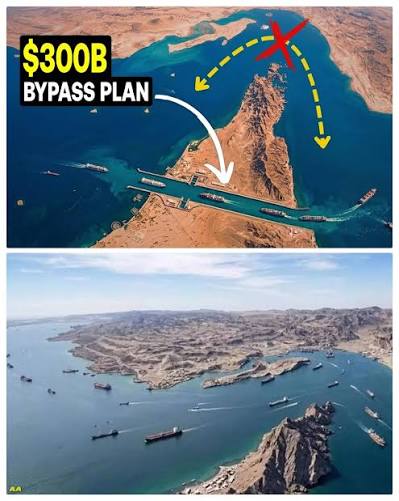
The nine demands outlined by Tehran include:
- An immediate end to U.S. military threats and rhetoric.
- A permanent cessation of U.S. military operations against Iran and its allies in Lebanon, Palestine, Yemen, and Iraq.
- The lifting of the naval blockade and complete withdrawal of U.S. forces from the region.
- Payment of $300 billion in compensation for war damages.
- The total lifting of all international sanctions.
- The unconditional release of all frozen Iranian assets.
- The enforcement of Iran’s right to levy up to 7 percent transit fees on cargo passing through the strait.
- A total ban on U.S. and Israeli flagged or operated vessels entering the waterway.
- A mandatory 20 percent penalty toll imposed on any maritime violations.
Security analysts and foreign policy experts view the conditions as an ultimatum aimed at forcing a complete U.S. strategic withdrawal from the Middle East. With nearly a fifth of global petroleum supply passing through the narrow corridor, the impasse leaves international energy markets facing continued volatility as Washington weighs its response.