
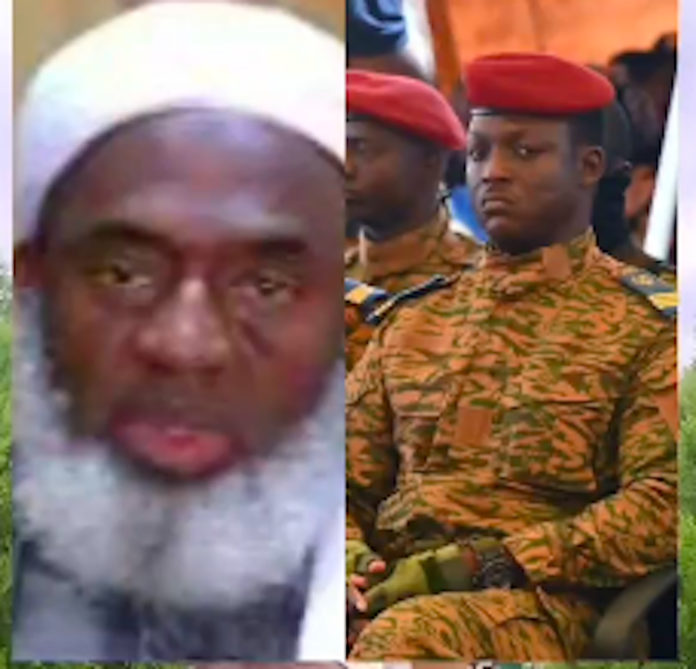


OUAGADOUGOU — Burkina Faso’s military leader, Captain Ibrahim Traoré, has forcefully rejected criticisms from Nigerian Islamic cleric Sheikh Ahmad Gumi regarding his administration’s refusal to implement Sharia law, declaring that Burkina Faso will remain a sovereign, secular republic governed by civil law.
The exchange follows comments by Kaduna-based cleric Sheikh Gumi, who publicly criticized Traoré as “too naive” to navigate regional geopolitical and religious dynamics after the Burkinabe leader explicitly rejected calls to adopt Sharia law and restricted foreign-sponsored religious education programs.
Reaffirming his administration’s stance, Captain Traoré dismissed attempts by external figures to influence Burkina Faso’s governance framework, daring critics to challenge the country’s constitutional commitment to religious neutrality and national self-determination.
“Come to Burkina Faso and tell me I am a small boy. Come and force me to implement Sharia law,” Traoré reportedly stated in response to the criticism, emphasizing that the state will not bow to external pressure or religious dogma.
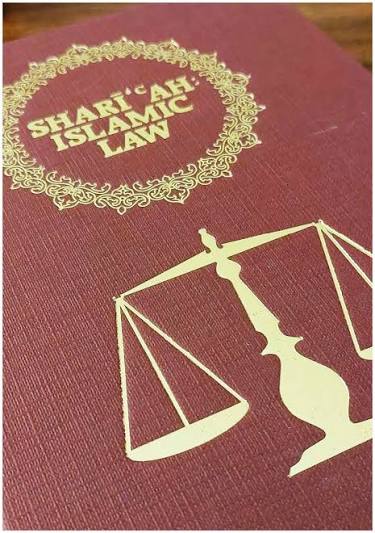
Traoré, a practicing Muslim who has led Burkina Faso’s campaign against armed jihadist insurgencies, previously defended his administration’s newly enacted religious regulation law, arguing that sending youth abroad to study religious law rather than technical skills undermines economic development and social cohesion.
“Whether they are Catholic, Protestant, Muslim, or followers of traditional religions, we will take responsibility for supporting our youth locally,” Traoré had declared, maintaining that national unity and state sovereignty supersede sectarian agendas.
The diplomatic and verbal clash highlights growing debates across West Africa concerning state secularism, religious regulation, and foreign ideological influence within Sahel nations navigating regional security challenges.