
- Grid Collapse and Total Darkness: Despite heavy state spending, the national electricity grid remains non-functional, locking businesses and homes into perpetual blackouts.
- The Cost of Fuel and Healthcare: The removal of fuel subsidies and the free fall of the Naira have pushed petrol and transport costs to unaffordable heights. Simultaneously, the price of vital medicines and healthcare services has skyrocketed, forcing sick citizens to abandon medical treatment entirely.
- The Destruction of Public Services: Government-funded schools have suffered a massive drop in standards, leaving them with dilapidated structures and zero learning materials. The civil servants tasked with running these institutions are heavily underpaid, with their monthly salaries completely wiped out by inflation.
- Unchecked Insecurity: Communities are being terrorised by armed groups, bandit networks, and unknown militias. Security forces appear incapable of shielding innocent families from midnight raids and targeted displacement.
Intelligence Reports Hint at Growing Discontent and Revolution
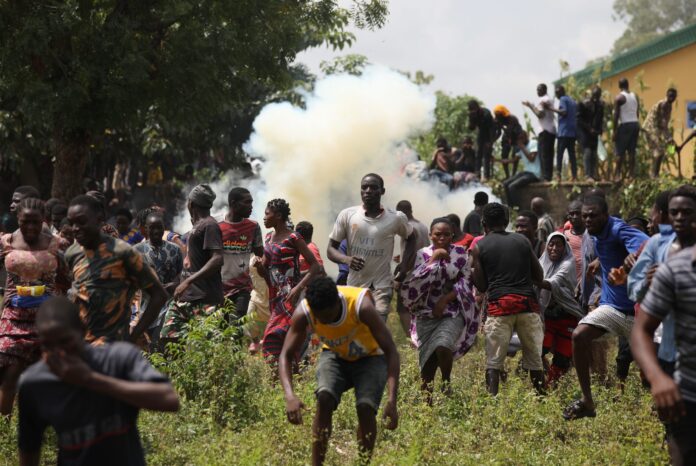
As civilian anger intensifies, the threat of a full-scale popular revolution is becoming far more real than ever before. Security indicators reveal that the frustration is no longer limited to the civilian population on the streets.
Leaked intelligence reports and strategic assessments suggest deep-seated discontent is actively brewing within vital security circles and among highly placed political stakeholders. Insiders warn that junior officers and rank-and-file operatives, who are also suffering from the harsh economic climate, are increasingly sympathetic to the plight of the masses. This internal friction among top elites and the armed forces has raised serious alarms regarding the stability of the current political order.
Debt, Extravagant Spending, and the City Boy Political Machinery
While the civilian population is told to endure the immediate pain of fiscal reforms, the lifestyle and actions of the political class reveal a starkly different reality. The presidency continues to engage in excessive spending on luxury fleets, official renovations, and large political entourages, all funded through unchecked foreign and domestic borrowing that places a massive debt burden on future generations.
To manage the rising anger ahead of the 2027 presidential election, the pro-Tinubu “City Boy Movement” has launched aggressive, short-term palliative distributions. Political analysts and community advocates slam these exercises as blatant deceit. The distribution of small measures of rice and cash handouts is widely condemned as a manipulative strategy designed to exploit hunger, suppress dissent, and buy political support from vulnerable voters who cannot afford their next meal.
Unprecedented Wealth vs. Mass Suffering
Public outrage reached a boiling point following the judicial trial of former Minister of Power, Saleh Mamman, who plundered ₦33.8 billion meant for vital national hydroelectric infrastructure. The case perfectly encapsulates the total lack of empathy within the administration: while a single former official can proudly boast that he has stolen enough public money to never work again for a lifetime, the millions of families he was meant to serve are left in total darkness and severe poverty.
With infrastructure shattered, institutional corruption unchecked, internal security structures fracturing, and the masses pushed past their breaking points, local civil society leaders are sounding the alarm that the social contract in Nigeria has entirely broken down, leaving the nation on the absolute edge of stability.