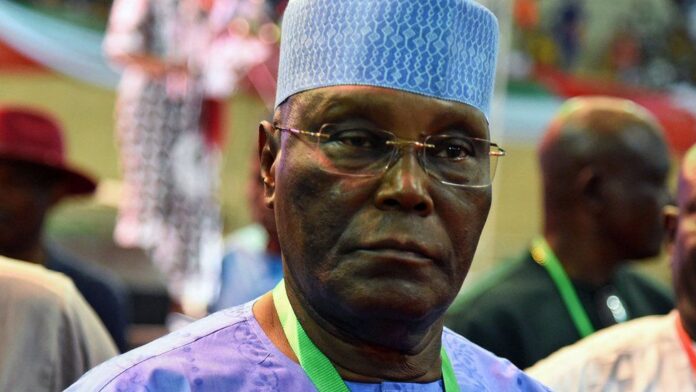

ABUJA, NIGERIA — Former Vice President and presidential candidate, Alhaji Atiku Abubakar, has been plunged into a major political dilemma following his inability to secure a heavy-hitting running mate from Southern Nigeria.
A series of high-profile rejections from frontline politicians in the South-South and South-East geopolitical zones has left the Atiku campaign scrambling to manage mounting internal friction.
The South-South Rejections: Amaechi Stays Defiant
The biggest blow to Atiku’s consensus-building strategy came from former Rivers State Governor and Minister of Transportation, Chibuike Rotimi Amaechi. Amaechi has flatly rejected any proposal to serve as a running mate on the ticket.
- Public Refusal: Amaechi explicitly dismissed ongoing speculation regarding a joint ticket, stating that he is focused on his own presidential ambitions and will not serve as a “spare tyre” to anyone.
- Primary Discontent: Insiders note that Amaechi’s refusal is deeply rooted in his outright rejection of the primary election outcome, which he publicly described as “concocted” and structurally flawed.
Attempts to court other prominent political figures across the South-South have met a similar wall of resistance. Analysts suggest that southern stakeholders are hesitant to validate a northern candidacy, which many argue openly violates the unwritten principle of rotational power between the North and South.
The South-East Gamble: The Ihedioha Question Mark
With the South-South proving impenetrable, Atiku’s team has shifted its focus to the South-East, zeroing in on former Imo State Governor and ex-Deputy Speaker of the House of Representatives, Rt. Hon. Emeka Ihedioha.
However, this strategic pivot has introduced a fresh layer of complexity and uncertainty within the opposition bloc:
- The Clout Debate: Political strategists are deeply divided over whether Ihedioha possesses the national clout and structural reach required to neutralize the ruling party. While Ihedioha maintains a highly disciplined structure within Imo State, critics argue that his profile may not carry the same regional momentum required to galvanize the entire southern electorate.
- Conflicting Signals: Conflicting reports have further muddled the situation. While senior sources indicate that Ihedioha has emerged as a frontrunner for the slot, parallel investigations suggest that Ihedioha may have already rejected the initial overtures from Atiku’s camp to avoid a political backlash within his regional base.
A Campaign Cornered by Time
The current impasse leaves Atiku in a precarious position. The South-East and South-South have traditionally served as his most reliable voting blocs in previous presidential runs. However, the emergence of alternative political movements and regional grievances has significantly fractured that base.
As pressure mounts for the final submission of joint tickets, Atiku has reportedly conceded to party leadership to step in and help select a viable candidate.
Without a definitive, heavy-hitting southern partner, observers warn that Atiku’s latest bid for the presidency risks starting on a profoundly fractured and structurally disadvantaged note.