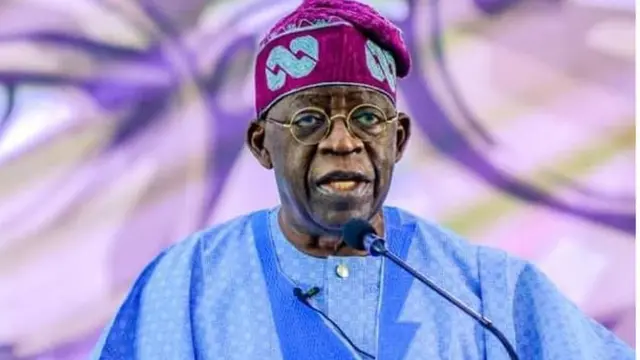

ABUJA — As President Bola Ahmed Tinubu marks exactly three years in office today, May 29, 2026, the federal government has rolled out a heavily publicized success scorecard, painting a picture of a repositioned and resilient national economy.
However, across the streets of Nigeria’s major cities, the official celebratory mood stands in stark contrast to a grim, lived reality. For millions of citizens, the past 36 months have been defined by historic inflation, an unprecedented debt burden, unchecked insecurity, and what critics describe as a profound official insensitivity toward the daily agony of the populace.
Rather than offering an apology or a empathetic recalibration of its policies, the administration’s third-anniversary rhetoric continues to demand patience, further widening the gap between state propaganda and the severe cost-of-living crisis on the ground.
The Silent Debt Explosion: Borrowing Without Development
The most glaring omission from the administration’s self-appraisal is the historic escalation of Nigeria’s public debt profile. Over the last three years, the national debt has ballooned to unprecedented heights, driven by a continuous reliance on external loans and the controversial restructuring of Central Bank overdrafts.
Economic analysts point out a disturbing paradox: while the nation’s liabilities have reached a breaking point, there are no significant, transformative infrastructure projects on the ground to show for it. Instead, a staggering percentage of the country’s independent revenue is swallowed entirely by debt servicing, leaving the government to borrow more simply to fund its recurrent expenditure and bureaucratic overheads.
The Subsidy and Currency Fallacy: Trillions Saved, Zero Impact
Upon taking office in May 2023, President Tinubu immediately implemented two sweeping macroeconomic policies: the total removal of the petroleum subsidy and the floating of the local currency, the Naira. At the time, the presidency promised that the trillions of Naira saved from these subsidies would be aggressively reinvested into public infrastructure, healthcare, education, and mass transit.
Three years later, that promise remains unfulfilled for the average Nigerian. While record-breaking allocations have been distributed to federal, state, and local governments through the Federation Account Allocation Committee (FAAC), these funds have failed to trickle down into visible public benefits. The local currency remains heavily devalued, eroding corporate balance sheets, crushing small businesses, and effectively wiping out the purchasing power of the middle class.
“Inhuman” Food Inflation and the Cost-of-Living Crisis
The direct fallout of these fiscal policies is a relentless, historical surge in food inflation that consumer rights groups have characterized as “inhuman.”
The price of basic staples—ranging from rice and beans to bread and local tubers—has skyrocketed to levels completely out of reach for ordinary wage earners. High fuel prices have exponentially increased local transportation and logistics costs, while the devalued Naira has made imported food items prohibitively expensive. Despite minor adjustments to the national minimum wage, the daily, unchecked rise in the cost of basic commodities has completely swallowed up any nominal salary increases, pushing millions of households into severe malnutrition and poverty.
Unimagined Insecurity Shuts Down the Food Basket
Compounding the economic failure is an unstable security architecture that continues to paralyze Nigeria’s agricultural sector. Despite massive defense budgets and repeated assurances from the military high command, large swathes of the Northwest, Northeast, and Middle Belt remain under the throat of bandits, insurgents, and kidnappers.
This persistent insecurity is a primary driver of the national food crisis. Farmers across Nigeria’s most fertile agrarian belts cannot return to their lands for fear of mass abductions or killings. The inability to cultivate crops safely has created an artificial scarcity, ensuring that food prices will remain high for the foreseeable future.
The Agony of Insensitivity: No Apologies, Just Demands for Patience
What many Nigerians find most distressing about the three-year milestone is the perceived lack of empathy emanating from the seat of power. Throughout the implementation of these highly disruptive policies, the presidency has consistently resisted offering any formal apologies for the widespread economic misery its decisions have triggered.
Instead of presenting an empathetic, realistic roadmap to ease the suffering, the administration’s public relations machinery continues to defend its structural adjustments as “necessary medicine.” To an increasingly exhausted electorate, this unyielding stance is viewed not as courage, but as total detachment from the immediate, painful realities of the people they govern.
Verdict: A Broken Social Contract
Three years into the Tinubu presidency, the gap between official government metrics and the reality of human survival in Nigeria has never been wider. While the administration celebrates its reforms as long-term structural victories, the immediate legacy of the last 36 months is one of immense economic hardship, deep institutional borrowing, insecurity, and an unyielding refusal to acknowledge the severe human cost of its policies.