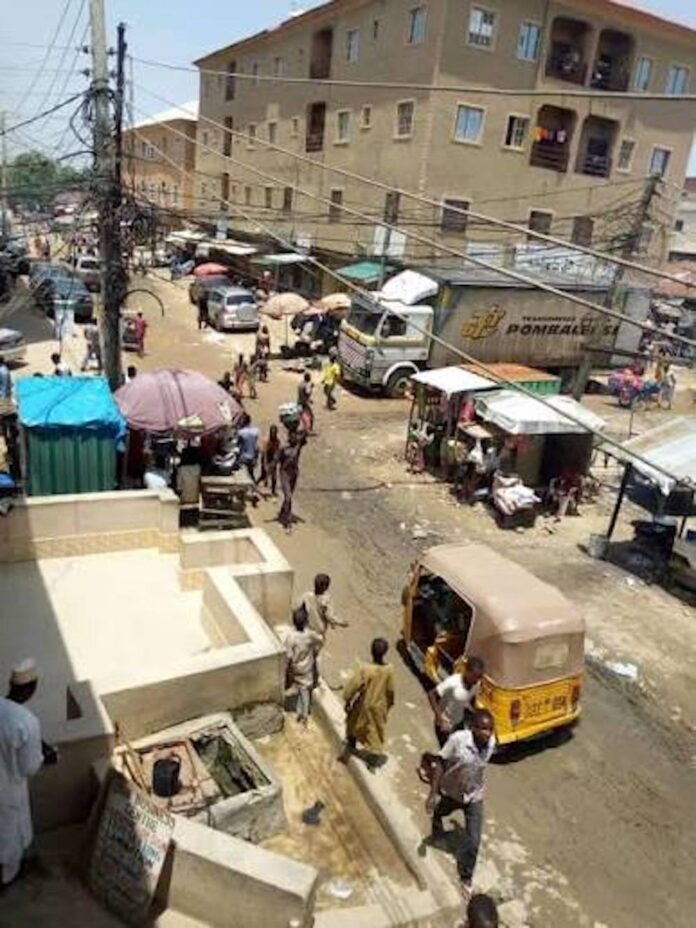


KANO, Nigeria — Take a stroll down France Road or step into the sprawling maze of the Sabon Gari Market in Fagge, and you immediately feel the commercial pulse of Northern Nigeria.
Trillions of Naira flow through this district. Wholesale textiles in Kantin Kwari, electronics, imported goods, and massive shipments of grain pass through every single week. Between direct taxes, corporate levies, market rates, and transport charges, Sabon Gari serves as the undisputed powerhouse behind Kano State’s soaring Internally Generated Revenue (IGR)—a chest that recently crossed the ₦100 billion mark.
Yet, turn off the main roads and step into the inner residential and business blocks, and the picture changes completely. Broken drainage channels, crumbling streets, piling garbage, and a total lack of basic public infrastructure tell a very different story.
For the millions of non-indigenes—predominantly Igbo, Yoruba, and Southern minority communities who have lived and traded here for generations—the reality is hard to swallow. Why does an enclave that gives so much to Kano State get so little back?
A Divided Past: How Sabon Gari Was Built to Be Separate
To understand why Sabon Gari feels abandoned today, you have to look at how it started over a century ago. Set up in 1911 under British colonial rule, Sabon Gari (literally “New Town” in Hausa) was designed to keep people apart. Colonial administrators wanted to isolate non-Muslim, non-indigenous workers coming from the South from the ancient, Islamic walled city (Birni) occupied by the indigenous Hausa-Fulani population.
That physical separation planted seeds of division that lasted for decades.
Whenever national political or religious tensions flared up across Nigeria, Sabon Gari often ended up as ground zero. From the 1953 Kano Riots to the deadly clashes of the 1990s and early 2000s, residents and shop owners watched their livelihoods burned, looted, and destroyed. Even during peaceful times, recurring market infernos—like the massive 2016 blaze that wiped out thousands of shops—have left traders rebuilding from scratch without real state assistance or modern fire safety systems in place.
Taxed to the Limit, Left to Fend for Themselves
Today, the friction in Sabon Gari isn’t marked by open violence, but by a quiet, frustrating economic neglect.
The Kano State Internal Revenue Service (KIRS) collects aggressively from Fagge’s commercial sector. But those funds land straight in the state’s central treasury, and when the state budget gets spent, major capital projects almost always go to high-density indigenous political wards instead.
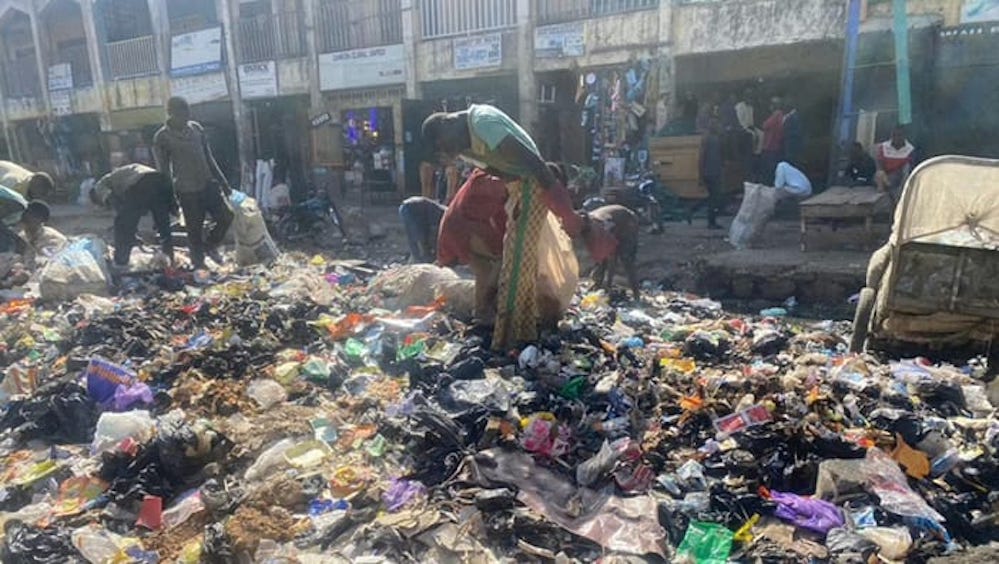
“We pay state taxes, local government fees, shop levies, and endless task force charges,” said one veteran shop owner in the market, waving his hand toward a stagnant gutter outside his store. “When the rains come, our shops float in water. When we need security, we pay private vigilantes out of our own pockets. We are treated like a cash cow when it’s time to collect money, but forgotten when it’s time to build.”
A few real issues keep this unfair dynamic alive:
- Electoral Math: Because most business owners and residents in Sabon Gari are non-indigenes, politicians tend to see the neighborhood as a low-reward zone for votes compared to indigenous wards where patronage delivers guaranteed election results.
- Overlapping Authorities: Major commercial hubs like Sabon Gari Market are run by state-appointed management boards rather than the local Fagge council. The council says it doesn’t have the money to fix local roads, while the state boards focus strictly on collecting revenue.
- Middlemen and Task Forces: Beyond formal taxation, small traders face daily harassment from informal task forces and private collectors, meaning much of the money taken from the street never even reaches state accounts or public services.
What Needs to Change
Sabon Gari isn’t just a neighborhood; it is the commercial heart of Kano. But keeping the state’s economy growing requires treating its business community fairly.
Community leaders and local analysts point to a few practical steps that could fix the breakdown:
- Dedicated Reinvestment: Earmarking a fixed percentage of the tax revenue generated in Fagge to go straight back into fixing local roads, drainage systems, waste collection, and fire safety.
- Giving Residents a Voice: Giving non-indigene market associations and local community leaders a real seat at the table when decisions are made about urban development and market management.
- Real Security Support: Moving away from reactive policing during crises and establishing reliable, community-oriented policing that protects business districts year-round.
Nigeria cannot grow if the people driving its commerce are treated as permanent outsiders in the cities where they work and pay taxes. Sabon Gari has carried more than its fair share of Kano’s financial load; it is time the state started investing back in the people who keep it running.