


ABUJA, Nigeria — Whenever dark clouds start gathering over Abuja, people living in several suburbs do not just prepare for rain—they prepare for disaster.
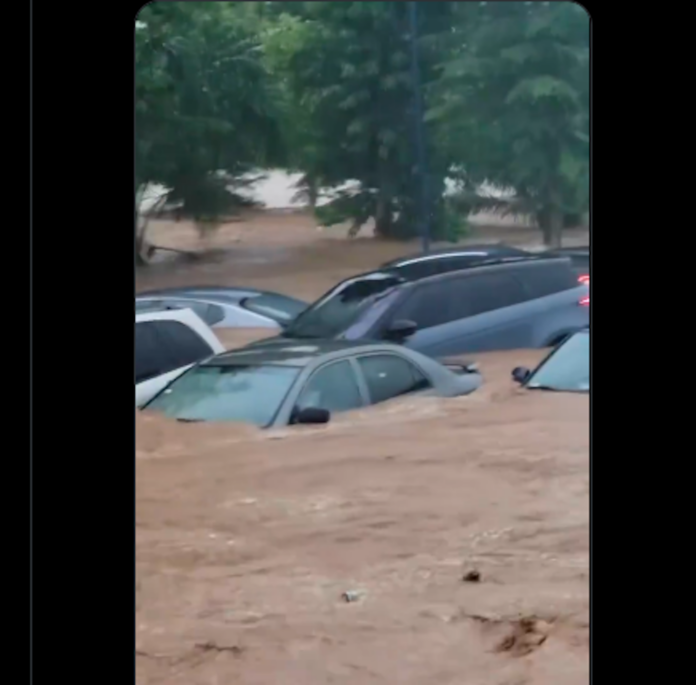
After another heavy downpour hit the Federal Capital Territory, roads in flood-prone neighborhoods turned into rapid rivers within minutes. Expensive cars, SUVs, and commercial buses were left floating or completely underwater, their dashboards dying out as muddy water filled the engines.
For drivers and homeowners in areas like Lokogoma, Apo, Galadimawa, and Trademore Estate in Lugbe, seeing luxury vehicles submerged is a painful yearly event. But behind the damaged cars and ruined electronics lies a bigger problem: years of poor urban planning that puts lives in danger every single rainy season.
A Repeated Disaster
Flooding in the nation’s capital is not a surprise. In low-lying residential areas, sudden downpours quickly turn into dangerous flash floods.
Over the years, these floods have swept through homes, wiped out small businesses, and taken human lives. Residents who spent their life savings to buy or build homes along the Airport Road axis find themselves trapped indoors whenever a severe storm hits.
Despite repeated flood warnings and safety advisories issued before the heavy rains start, the same story plays out every year like clockwork.
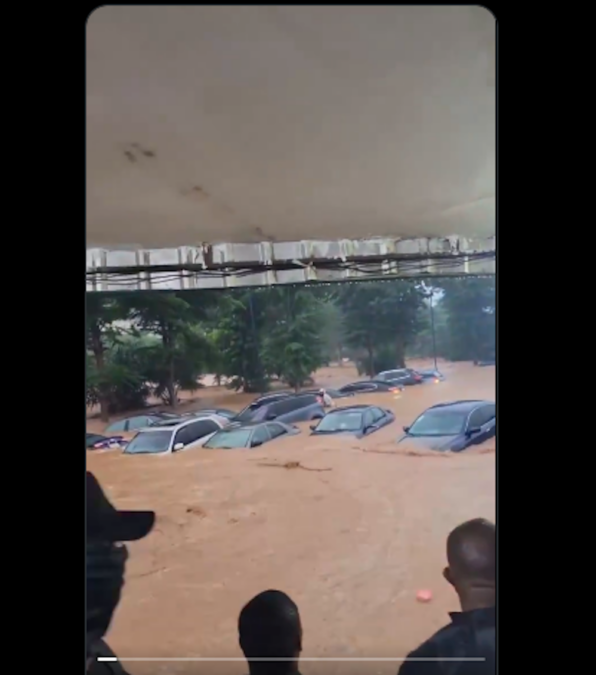
“You go to sleep hearing rain on the roof, and by midnight, water is up to your waist inside the house,” said one resident in Lugbe, pointing toward a waterlogged car parked nearby. “Every year we hear talks about fixing the drainage, but nothing gets done before the next heavy rain comes.”
Why the City Keeps Flooding
Engineers and construction experts point to a few straightforward reasons:
- Building on Water Channels: Property developers have built housing estates right on natural water paths and floodplains, forcing rainwater to flow through streets and living rooms instead of natural rivers.
- Clogged Drainage: Plastic waste, household trash, and heavy sand build-up completely block the major drainage channels, stopping rain runoff from flowing away quickly.
- Paving Everywhere: As more land gets covered in concrete and asphalt for houses and roads, the ground loses its ability to soak up water, causing huge amounts of rainwater to run straight into low-lying estates.
What Needs to be Done
Government agencies often clear some blocked drains or mark illegal buildings for removal, but court cases and administrative delays usually slow down long-term solutions. Meanwhile, emergency responders keep warning drivers never to push through deep floodwaters, as water entering the engine will instantly destroy it or sweep the car off the road.
As the floodwaters clear, residents are left to clear out mud, pay heavy towing fees, and rebuild their lives out of pocket. For a modern planned city, the sight of flooded streets and submerged cars is a clear sign that until natural water channels are protected and drainage systems are properly expanded, every heavy rain will continue to bring severe losses.