


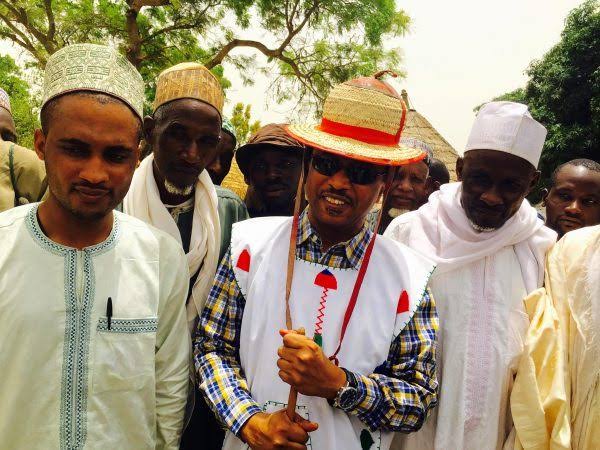
AKURE — A major constitutional and ethno-regional debate has been reignited across Nigeria following highly controversial assertions attributed to the National Leader of Miyetti Allah Kautal Hore, Bello Abdullahi Badejo. As captured in widely circulated public records, Badejo claimed that the Fulani ethnic group “owns all the lands in Nigeria” and defiantly stated that “no power can remove us from Ondo forests.”
The inflammatory statement has drawn sharp criticism from legal experts, civil society organizations, and regional socio-political blocs who view the claims as a direct affront to the statutory sovereignty of state governments and the clear provisions of the Nigerian Constitution.
The Legal Reality: The Land Use Act of 1978
For an analytical and educated populace, the premise of absolute ethnic land ownership directly collides with the fundamental pillars of Nigerian property law. Legal analysts have quickly pointed out that the claim has no basis within the country’s current jurisprudence:
- State Executive Custodianship: Under Section 1 of the Land Use Act of 1978—which is structurally embedded within the 1999 Constitution—all lands comprised within the territory of each state in the Federation are vested solely in the Governor of that state.
- Trustee Framework: The law explicitly mandates that such lands shall be held in trust and administered for the use and common benefit of all Nigerians. Consequently, no singular ethnic nationality or socio-cultural association can lay exclusive, sovereign claim to any territory or forest reserve.
The Battle for the Ondo Forest Reserves
The reference to the Ondo State forests stems from a long-running security and regulatory impasse between the state government and undocumented herders. In a bid to curb rising incidents of kidnapping, rural banditry, and fatal farmer-herder clashes, the state executive had previously issued regulatory directives requiring all pastoralists operating within state-managed forest reserves to formally register with the government or vacate the premises.
Badejo’s defiant stance—suggesting immunity from state-level expulsion—highlights the deep ideological divide between state governments attempting to assert territorial policing and nomadic groups invoking constitutional rights to freedom of movement. However, security experts emphasize that constitutional rights to free movement do not grant citizens the liberty to illegally occupy government-designated economic assets or conservation reserves without statutory permits.
Implications for National Stability and Federalism
Socio-political organizations in the South-West, including the pan-Yoruba group Afenifere, have warned that such provocative rhetoric complicates fragile peacebuilding efforts and threatens national cohesion. Analysts argue that framing pastoralist migration patterns through the lens of historical conquest or permanent ownership only worsens existential anxieties among host communities.
As lawmakers and regional leaders continue to deliberate on structural security reforms—including the potential devolution of policing powers and the modernization of livestock management via the National Livestock Transformation Plan—rhetoric that challenges the statutory authority of elected governors is bound to heighten political temperatures. For Nigeria’s democratic framework to endure, observers note that the supremacy of statutory law, particularly regarding land administration, must take precedence over ethnocentric posturing.