
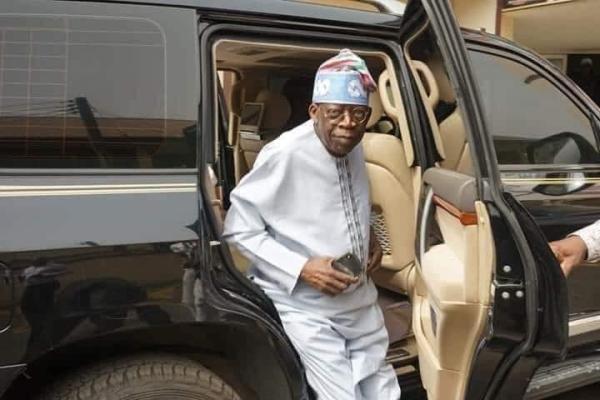


ABUJA — Growing public discontent over the escalating cost of governance in Nigeria has intensified, with civil society groups, opposition leaders, and economic analysts pointing to the unprecedented size of presidential motorcades as a stark symbol of public waste during severe economic hardship.
A comparative breakdown of presidential entourage sizes across recent administrations highlights a staggering upward trajectory:
- Olusegun Obasanjo: 22 – 30 vehicles
- Umaru Musa Yar’Adua: 15 – 20 vehicles
- Goodluck Jonathan: 25 – 35 vehicles
- Muhammadu Buhari: 45 – 60 vehicles
- Bola Ahmed Tinubu & Immediate Family (Combined Estimates):
- Seyi Tinubu (Son): 8 – 15 vehicles
- Oluremi Tinubu (First Lady): 40 – 65 vehicles
- President Bola Ahmed Tinubu: 60 – 99 vehicles
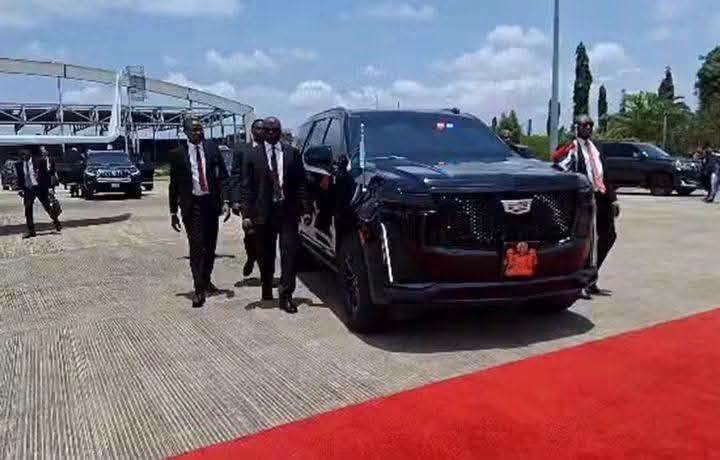
Estimates placing the combined motorcade presence of the First Family at up to 179 vehicles across coordinated movements have drawn intense scrutiny regarding the direct drain on public funds.
Working on a baseline standard tank capacity of 80 liters per vehicle and a conservative fuel rate of ₦1,200 per liter, fueling a single vehicle costs approximately ₦96,000.
Across a combined high-end fleet estimate of 179 vehicles, filling up the convoy’s tanks for a single outing costs ₦17,184,000 — a figure analysts note could easily double given that heavy armored security SUVs feature dual fuel tanks holding up to 150 liters.
The astronomical fuel expenses come at a time when ordinary Nigerians face devastating inflationary pressures, removing fuel subsidies, and skyrocketing food prices. Critics argue that while the administration routinely calls on citizens to endure austerity and make economic sacrifices, the political elite continues to maintain lavish, subsidized lifestyles at taxpayer expense.
Policy experts and civic organizations warn that such unchecked expenditure actively drains national resources and deepens public distrust, urging citizens to demand strict fiscal accountability, legislative limits on official motorcades, and a complete overhaul of executive spending ahead of upcoming electoral cycles.







