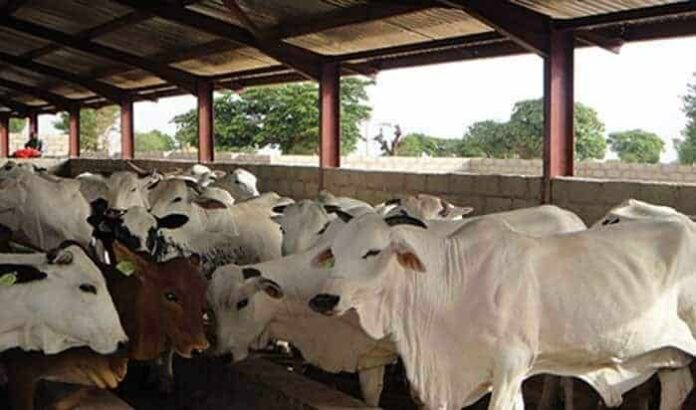


ABUJA — Critical voices across Nigeria’s Middle Belt are calling on the Federal Government to rethink its approach to resolving the protracted farmer-herder crisis, urging policymakers to prioritize equity, local economic realities, and victim rehabilitation over contentious land allocations.
The call follows recent policy announcements by the Federal Ministry of Livestock Development under Minister Idi Mukhtar Maiha regarding the rollout of pilot ranching reserves across Benue, Plateau, Nasarawa, Kaduna, Adamawa, and the Federal Capital Territory. While the federal strategy aims to curb open grazing and establish modernized livestock communities, regional analysts and community leaders have raised strong objections to starting these pilot schemes predominantly in agrarian, crop-farming states.
In a detailed public commentary, policy expert Dr. Dan Mou argued that locating pilot ranching projects in the Middle Belt rather than in traditional pastoralist hubs across the far north risks repeating past policy missteps. He noted that agrarian communities in states like Benue and Plateau naturally require investments in mechanized farming, tractor services, and agro-processing, whereas commercial ranching infrastructure would be far more suited to northern states such as Sokoto, Katsina, Kebbi, and Jigawa, where cattle production forms a primary economic base.
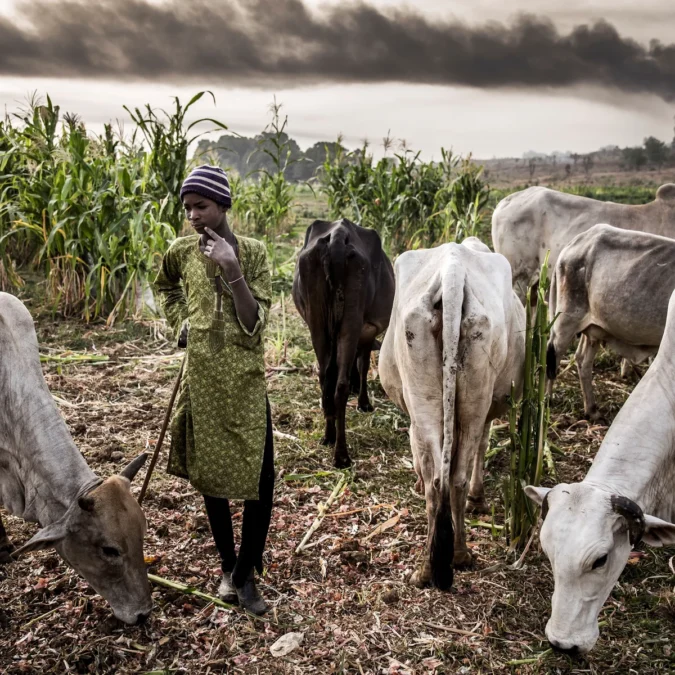
Beyond geographic location, stakeholders emphasized that any lasting peace requires addressing the plight of farming populations displaced by years of rural violence. Advocates called for the immediate creation of a dedicated Rehabilitation and Restoration Fund to rebuild destroyed homes, schools, and health facilities, allowing thousands of displaced farmers currently living in camps to safely return and re-establish their agricultural livelihoods.
Policy observers maintain that for President Bola Ahmed Tinubu’s administration to build public trust and secure genuine stability, federal interventions must adopt a balanced, transparent framework that protects indigenous farming rights while modernizing livestock production in regions best suited for ranching.