
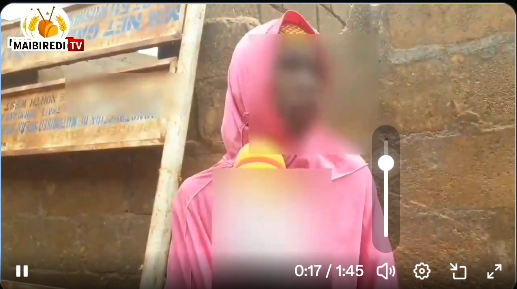


KADUNA, NIGERIA — A rescued survivor of a recent mass kidnapping has shared a harrowing first-hand account detailing the severe human rights violations and continuous sexual assault inflicted upon women held hostage in remote bandit camps. The survivor’s testimony, translated from Hausa, has renewed urgent national conversations regarding the safety, protection, and long-term care of hostages recovered from forest enclaves.
Horrors in the Captivity Enclave
Speaking to community advocates following her rescue, the young woman described a highly restrictive environment where physical survival was used as a tool for total compliance. She revealed that while the captors provided basic meals to keep the hostages alive, the women were subjected to continuous, non-consensual sexual abuse and violations of their dignity on a daily basis.
“They have sex with us every day since when we were abducted,” the survivor narrated. “They feed us but do all sorts of immoralities with us every day.”
Pattern of Vulnerability for Female Hostages
The testimony highlights a widespread and disturbing pattern observed across various criminal networks operating in rural transit corridors. Security analysts and human rights groups note that bandit syndicates increasingly use sexual violence as a systematic weapon to break the morale of captives and exert psychological dominance over surrounding communities. While recent joint military operations have successfully secured the release of hundreds of captives, observers emphasize that a physical rescue is only the first step in a complex recovery process.
Calls for Comprehensive Rehabilitation Frameworks
In light of these disclosures, civil society organizations and medical practitioners are calling on federal and state ministries of women affairs to scale up specialized support systems. Stakeholders argue that rescued women require immediate access to long-term clinical psychiatric care, comprehensive reproductive health screenings, and community reintegration programs to help them process severe trauma and overcome societal stigma.