
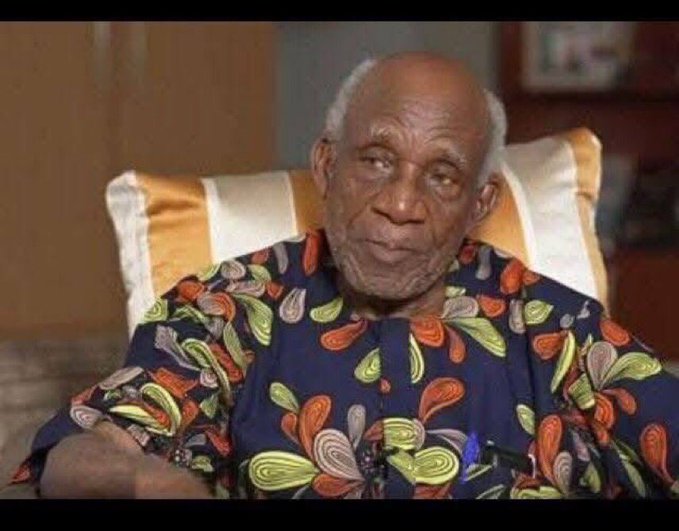


ENUGU — The narrative of the Nigerian Civil War (1967–1970) is fundamentally incomplete without highlighting the extraordinary scientific breakthroughs achieved by the Biafran Research and Production (RAP) unit. Operating under a tight naval, aerial, and land blockade, a dedicated cadre of home-grown scientists transformed local raw materials into functional, high-yield military and civil infrastructure.
Headed by the brilliant nuclear physicist Professor Felix Oragwu—who recently celebrated his 92nd birthday in March 2026—the RAP team proved that severe systemic isolation can trigger unparalleled industrial and technological innovation.
Debunking the Myth: Palm Oil as Aviation Fuel
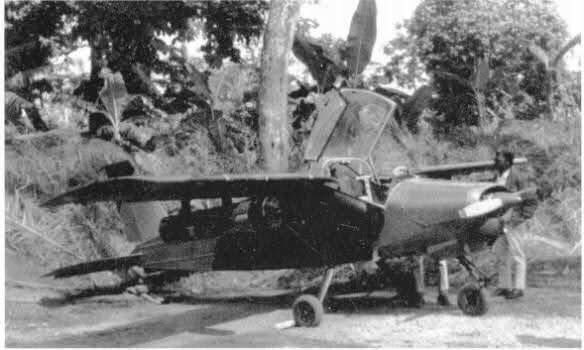
A popular historical narrative frequently boasts that Biafran scientists successfully processed raw palm oil into standard aviation fuel to power fighter jets in 1969, beating global sustainable biofuel timelines by over half a century. While this makes for a poetic legend, the technical reality was much more grounded in raw survivalist chemistry.
Biafran refineries did not produce highly refined, high-performance aviation turbine fuel (Jet A-1) from palm oil to fly conventional supersonic jets. Instead, the RAP team, lacking advanced industrial catalysts, creatively distilled palm oil, palm kernel extracts, and locally drilled crude oil to manufacture diesel substitutes and low-grade kerosene. These bio-blended fuels were primarily used to power heavy ground logistics, military transport machinery, and stationary mechanical generators.
The achievement remains a massive feat of emergency engineering, demonstrating the empirical capacity to turn local agricultural abundance into combustible fuel cells long before modern sustainable aviation fuel (SAF) initiatives gained global traction.
The Footprint of the RAP Innovations
The true genius of the University of Nigeria, Nsukka (UNN) scholars who transitioned into the RAP unit lay in their diverse, multi-disciplinary inventions built from literal scrap materials:
1.The Ogbunigwe Weapons System:Mass Production.
Designed by Oragwu and engineered using everyday metallic items like water pipes and oil drums. The family of improvised explosive devices utilized local fertilizers as propellants, functioning as lethal command-detonation mines and surface-to-surface fragmentation rockets.
2.Artisanal Modular Refineries:Fuel Supply Sustenance.
With the blockades cutting off imported petroleum, engineers built scattered, highly camouflaged modular cooking-pot distillation units to refine raw crude oil into usable petrol and kerosene.
3.Wartime Medical Synthetics:Biological Survival.
When pharmaceutical supplies dried up, the science team set up laboratory networks to extract essential table salt from local brine, alongside synthesizing urgent battlefield vaccines, antibiotics, and emergency nutritional supplements.
Post-War Realities: The Academic Fallout
Following the end of hostilities in January 1970, the Federal Government moved swiftly to consolidate national security. While rumors persisted that the state explicitly “banned” specific chemical and nuclear research setups at UNN, the reality was a structural reconfiguration of national science funding.
The administration heavily decentralized high-level research, shifting the focal point of state-sponsored nuclear and strategic energy development away from the eastern theatre to alternative national installations, such as the newly formed energy research centers at the University of Ibadan and Ahmadu Bello University, Zaria.
Nevertheless, the legacy of the RAP unit stands as an enduring historical blueprint for African self-reliance. It serves as a stark reminder that when modern facilities are completely stripped away, local intellectual capital remains the ultimate protective shield.







