
By 247ureports.com Investigative Bureau
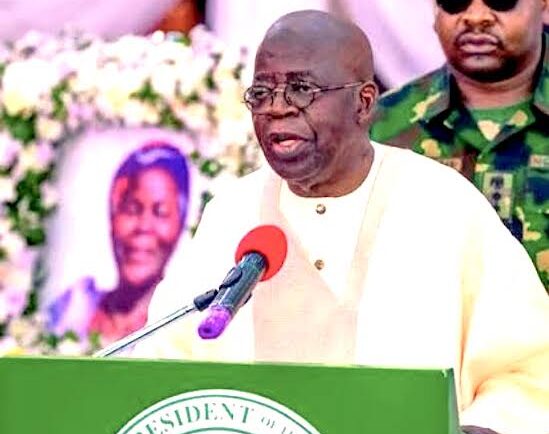
ABUJA, Nigeria — On May 29, 2023, President Bola Ahmed Tinubu stood on the inaugural podium at Eagle Square and declared with dramatic brevity: “The fuel subsidy is gone.”
It was a statement that sent shockwaves through the national economy. Within hours, the price of Premium Motor Spirit (PMS) surged from approximately ₦185 per litre to over ₦500, eventually scaling past ₦1,000 per litre. The administration framed this painful shock as a bitter but necessary pill—a move that would immediately free up trillions of naira for critical infrastructure, healthcare, education, and social safety nets.
Yet, an in-depth investigation into the financial reports of the Nigerian National Petroleum Company Limited (NNPCL) reveals a starkly different reality. While Nigerians continue to pay astronomical prices at the pump under the guise of deregulation, the subsidy regime never truly ended. Instead, it was simply rebranded, legally rerouted, and scaled up to historic proportions.
Between 2023 and 2024, NNPCL quieted the fiscal ledger by spending a staggering ₦11.9 trillion on what it terms “Energy Security Expenses”—a euphemism for the same fuel subsidy the public was told had been abolished.
The Rebranded Ledger: From “Subsidy” to “Energy Security Expense”
When President Tinubu announced the end of the subsidy, the price of crude oil on the international market remained high, and the naira rapidly depreciated against the US dollar. Because the Federal Government continued to cap domestic fuel prices to prevent widespread civil unrest, a massive gap persisted between the landing cost of imported petrol and the regulated pump price.
To bridge this gap without officially admitting that the subsidy was still active, NNPCL invoked Section 64(M) of the Petroleum Industry Act (PIA) 2021. This clause allows the national oil company, acting as the “supplier of last resort,” to charge costs incurred for “national energy security reasons” directly to the federation account.
The financial footprint of this legal loophole is staggering:
| Fiscal Year | “Energy Security Expense” (Subsidy Paid) | Year-on-Year Increase | Key Drivers |
| 2023 | ₦4.8 Trillion | — | Post-inauguration price caps, initial Naira float |
| 2024 | ₦7.1 Trillion | +47.9% | Severe currency devaluation, rising global oil prices |
| Total | ₦11.9 Trillion | — | Cumulative two-year off-budget spending |
Despite NNPCL declaring a record ₦5.4 trillion net income for 2024, the weight of these hidden subsidy payments severely strained the company’s liquidity, forcing it to admit to billions of dollars in outstanding debts to international fuel suppliers.
The Debt-Servicing Vortex: Where Did the “Savings” Go?
The primary selling point of the subsidy removal was the promise of a fiscal windfall. The administration assured citizens that the money saved would build roads, upgrade hospitals, and revamp public universities.
However, current macroeconomic data indicates that these “savings” have effectively been swallowed by a worsening debt crisis.

The 2026 Fiscal Reality: Financial analysts warn that Nigeria’s debt-servicing costs for 2026 are projected to surpass ₦15 trillion. This means that nearly all gains clawed back from the domestic market are being funneled directly to servicing foreign and local creditors, starving education, health, and security of critical capital expenditure.
While the government celebrates increased statutory allocations to state governments through the Federation Account Allocation Committee (FAAC), critics argue there is little to no tangible evidence of these funds trickling down. Instead, inflation has climbed, food insecurity affects an estimated 27 million Nigerians, and the national poverty rate remains alarmingly high at over 60 percent.
Palliatives and the Transparency Deficit
Faced with growing public outrage, the Tinubu administration introduced several high-profile “palliatives,” including the National Public Sector Solar Initiative (NPSSI), conditional cash transfers, and efforts to deploy Compressed Natural Gas (CNG) mass transit buses and electric tricycles.
While these initiatives look impressive on paper, their implementation has been criticized as sporadic, highly politicized, and structurally insufficient to offset the crushing weight of a 1,000% increase in energy and transportation costs since 2023.
Civil society organizations and opposition political parties, such as the Allied People’s Movement (APM), have increasingly demanded a comprehensive, independent forensic audit of the federation accounts.
“Despite the heavy premiums citizens pay daily, the administration is not forthcoming with a transparent account of the trillions accrued to it from the removal of subsidy,” the APM noted in a recent call to action. “No comprehensive public record has been presented to demonstrate how much has been realized, how much has been spent, and whether those expenditures have translated into measurable improvements.”
Conclusion: A Systemic Crisis of Trust
The revelation that NNPCL quietly funneled ₦11.9 trillion back into petrol price stabilization over a 24-month period undermines the credibility of the administration’s economic reforms. It suggests that the Nigerian government is caught in a paralyzing paradox: it cannot afford to pay the subsidy, yet it lacks the political will and economic stability to survive its complete removal.
For the readers of 247ureports.com, the takeaway is clear. Nigeria is not suffering merely from the withdrawal of a fiscal safety net, but from a profound transparency deficit. Until the federal government and NNPCL open their books to independent public scrutiny, the “renewed hope” promised to millions of struggling Nigerians will remain entirely out of reach.