
ABUJA — The long-awaited data update from the Observatory of Religious Freedom in Africa (ORFA) has officially landed, delivering a monumental, data-driven analysis of Nigeria’s ethno-religious crisis. Spanning a six-year tracking window from October 1, 2019, to September 30, 2025, the comprehensive report charts nearly 80,000 killings and thousands of targeted abductions.
Titled “Four Times Boko Haram? How the World Misreads Nigeria’s Violence,” the study completely shatters long-held international assumptions and sweeping mainstream headlines. By meticulously mapping the exact identities of localized aggressors, the report reveals that the deadliest terror actors are operating completely outside the global spotlight.
Shifting Focus: The Deadliest Groups Evading Global Notice
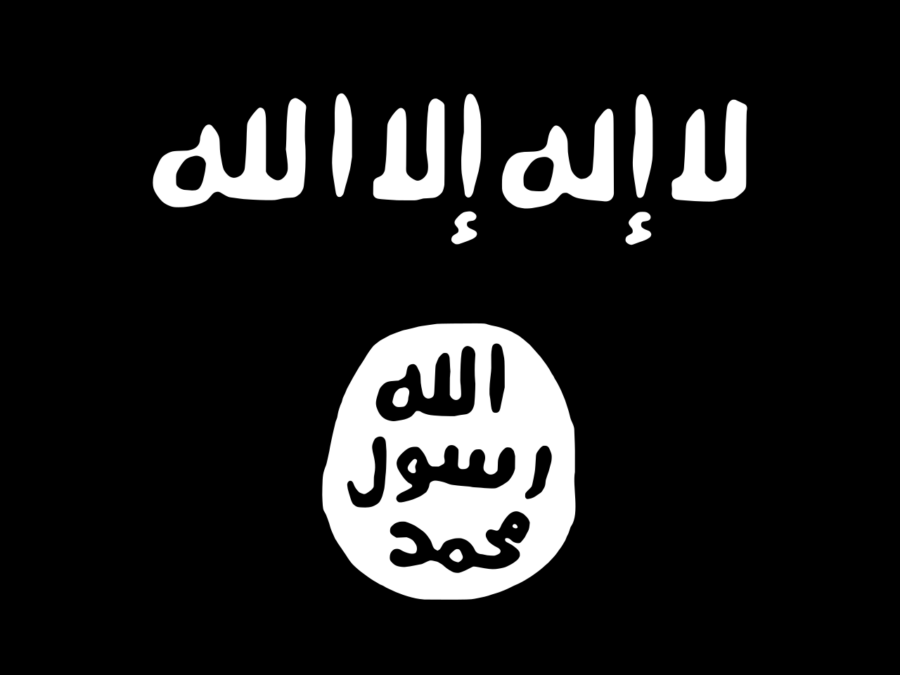
For over a decade, international policy circles and foreign media have heavily framed Nigeria’s terrorism landscape through the singular lens of standard Islamist insurgencies like Boko Haram and ISWAP in the North-East.
ORFA’s massive data pool sharply dismantles this paradigm, revealing that the destruction meted out by the Fulani Ethnic Militia (FEM) and sprawling networks of heavily armed “bandits” in the North-West and North-Central far outpaces old insurgency hubs. The findings show that while global actors chase standard terror groups hundreds of miles away, localized, highly lethal militias average seven distinct attacks every single day across the nation.
“Captivity by Creed”: The Data on Targeted Vulnerability
A cornerstone of the 6-year update is its granular breakdown of how civilian populations are targeted based on geography and religious identity.
The report documents a stark asymmetry in the violence, highlighting a systemic “religious sorting system” particularly prevalent within the abduction machinery. According to researchers, Christian farming communities face a highly disproportionate share of the atrocities. The data reveals that faith heavily influences a hostage’s experience—dictating how they are treated, the astronomical ransom amounts demanded from impoverished communities, and whether they ever return home alive.
Core Findings of the ORFA 6-Year Dossier (2019–2025)
The sheer volume of raw data captured in the report makes it the most authoritative baseline reference for security experts and policymakers tracking the West African sub-region:
| Key Tracking Parameter | Statistical & Structural Insights (ORFA Data) | Affected Geopolitical Zones |
| Total Tracked Fatalities | Nearly 80,000 recorded deaths across civilian, security force, and terror group categories. | Concentrated heavily in North-West and North-Central flashpoints. |
| Daily Strike Frequency | An average of 7 violent attacks per day executed by mobile armed actors. | Widely distributed across rural agricultural belts and inner transit roads. |
| The “Abduction Industry” | Thousands of documented kidnappings driving a crisis of “intergenerational bankruptcy”. | Mass rural raids and coordinated ambushes on churches, schools, and farmlands. |
A Fatal Policy Blindspot
The report pulls no punches regarding the state’s reactive military posture. It highlights how local communities are frequently left completely defenseless while state security forces concentrate their primary operations on conventional battlefields. This domestic security gap has allowed localized ethnic militias to pillage, destroy grain reserves, burn churches, and occupy ancestral farmlands with near-total impunity.
With the release of this landmark data project, ORFA has handed local journalists, human rights watchdogs, and international diplomats an unassailable record of facts. It serves as a stern warning to the Nigerian government that standard security talking points can no longer conceal the horrific structural breakdown happening within the nation’s rural borders.