
ENUGU, NIGERIA — Severe allegations of ethnic discrimination and systemic bias within Nigeria’s security architecture have ignited a fiery national conversation. The uproar stems from a glaring contrast between the alleged high-level protection given to suspected terrorists in the North and the immediate, aggressive arrest of ordinary citizens in the Southeast on mere suspicion of being associated with secessionist groups.
The dual developments have put the Federal Government and military leadership under intense scrutiny, with human rights advocates demanding immediate transparency over the handling of internal security suspects.
The Asabuja Revelations: ‘Orders From Above’ Protecting Terrorists
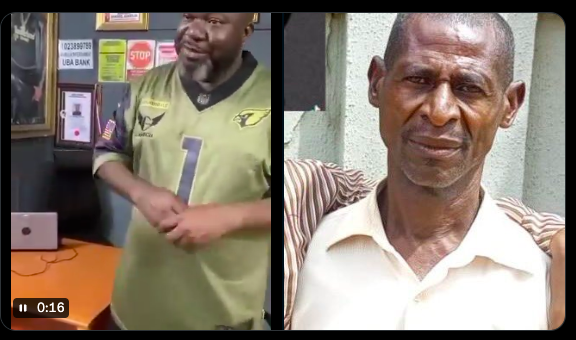
The controversy gained significant traction following viral commentary by a prominent Niger Delta figure, Gabriel “General” Asabuja. In a widely circulated video statement, Asabuja leveled damning accusations against the high command of Nigeria’s security agencies.
According to Asabuja, operational teams on the ground have successfully intercepted and arrested heavily armed, suspected Fulani terrorists operating within southern territories, only to receive immediate, top-down directives forcing their release.
“You arrest these terrorists with heavy weaponry, and before you even finish documenting them, an order comes from above instructing you to let them go,” the statement alleged. “They are released promptly, and in some cases, even their weapons are returned to them under the guise of maintaining regional balance.”
The allegation of “orders from above” has long been a source of bitter grievance among local security outfits and vigilantes, who complain that their efforts to combat deadly kidnapping and banditry networks are routinely sabotaged by powerful political actors inside the federal capital.
The Enugu Arrest: The Case of Chikwendu Agwu
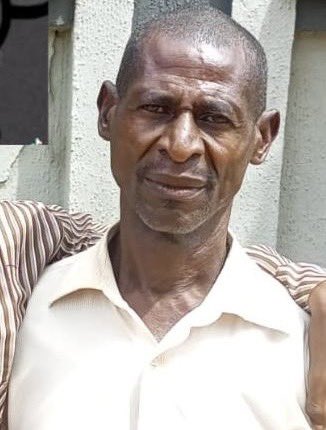
In sharp contrast to the alleged leniency shown to northern terror suspects, a wave of condemnation has swept through Enugu State following the military abduction of a local citizen, identified as Chikwendu Agwu.
According to family sources and local civil society groups, Agwu was picked up by personnel of the Nigerian Army on Saturday, June 27, 2026, in Enugu. Eyewitnesses described the arrest as sudden and aggressive, noting that Agwu was taken into military custody on the mere suspicion of having links to the proscribed Indigenous People of Biafra (IPOB) or its armed wing, the Eastern Security Network (ESN).
Photographs of the “hapless” Agwu circulated online alongside the report, triggering deep anger from residents who point out that while actual armed bandits are allegedly granted administrative bail by “orders from above,” southeasterners are frequently subjected to arbitrary arrests, profiling, and prolonged detention without formal charges based on flimsy assumptions.
Demands for Accountability on Discriminatory Practices
The simultaneous reports have amplified long-standing accusations that the federal government utilizes a heavily discriminatory security playbook depending on geography. Critics argue that the state’s approach to security in the Southeast is overwhelmingly punitive and militaristic, while its approach to northern banditry and armed herder violence is often treated with kid gloves, amnesty programs, and executive protection.
“Only the government can explain this dual standard of justice,” a human rights attorney in Enugu stated in response to the arrest. “If an individual can be whisked away by the army in Enugu over unverified suspicions, why are armed syndicates caught in the bushes of the South given a free pass via telephone calls from Abuja?”
As of the time of filing this report, neither the Director of Army Public Relations nor the Defence Headquarters has responded to queries regarding the legal basis for Chikwendu Agwu’s detention or the viral allegations raised in General Asabuja’s broadcast.