
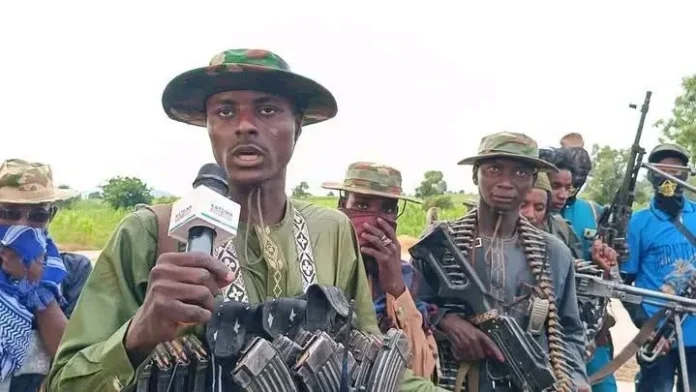


JOS, Nigeria — Armed assailants suspected to be Fulani militias launched a midnight attack on Ngbra-Zongo village in the Kwall District of Bassa Local Government Area, killing 11 residents, including two pregnant women and a toddler.
The assault took place shortly after midnight when the gunmen invaded the agrarian community, moving house-to-house with firearms and machetes while residents slept.
Verified Casualties and Community Devastation
The Irigwe Youth Movement (IYM) and local community leaders published a verified manifest of the victims to counter conflicting social media accounts. The documented fatalities include:
- The Village Head: Sunday Hwie, the 60-year-old community leader, who was targeted and slain in his home.
- Pregnant Victims: Eunice Samuel, 25, and Laraba Sunday, 29, who both died from severe injuries sustained during the indiscriminate shooting and machete assault.
- Toddler: Festus Sunday, a three-year-old child, killed alongside adult relatives.
At least 10 other villagers survived the raid with life-threatening gunshot and laceration wounds. Among the critically injured is an 18-year-old pregnant woman, Ladi Sarki, who is currently receiving emergency medical treatment at a regional hospital.
Clash of Narratives Over Motivation
The Ngbra-Zongo attack has reignited a fierce ideological debate over the nature of the violence plaguing Nigeria’s Middle Belt region:
- The Sectarian Argument: Local Christian advocacy groups and international watchdogs view the killings as part of a systematic campaign targeting agrarian Christian communities. While viral social media claims alleged forced conversions and highly specific ritualistic killings during this raid, local situational reports confirmed the deaths resulted from indiscriminate shooting and slicing during the chaos.
- The Climate and Economic Argument: The Nigerian Federal Government and independent security analysts strongly reject the characterisation of the conflict as a religious genocide. The administration maintains the violence stems from climate change, desertification, and decades-long disputes over land and water rights between nomadic herders and sedentary farmers. Officials point out that Muslim communities in neighbouring states suffer similarly devastating mass casualties from bandit networks.
Security Response and Local Outrage
Community leaders heavily criticised the military and police for a delayed response, stating that security forces did not arrive at the village until hours after the gunmen had fled the scene.
A military joint task force has since deployed additional troops to patrol Bassa County to restore order and deter potential reprisal attacks. No arrests have been announced in connection with the killings.