

ABUJA, NIGERIA — Human rights advocates and security analysts have described the increasing global recognition of the “Fulani Ethnic Militia” (FEM) as a major step toward addressing Nigeria’s internal security crisis. This follows a series of scathing international reports exposing the true scale of rural massacres across the Middle Belt and northern regions.
The reaction comes on the heels of a massive 105-page independent report released by the Observatory for Religious Freedom in Africa (ORFA). The report reveals that Fulani militant groups have collectively overtaken Boko Haram and ISWAP to become the primary engine of civilian massacres and rural abductions in Nigeria.
Breaking the “Farmer-Herder” Euphemism
For years, the international community and consecutive administrations in Abuja have largely framed the killings across states like Benue, Plateau, Kaduna, and Taraba as simple, climate-driven resource clashes between nomadic herders and sedentary farmers.
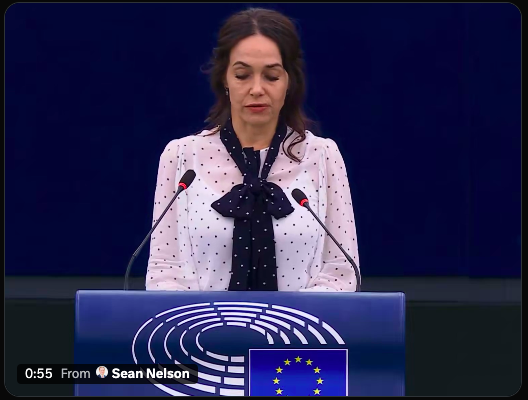
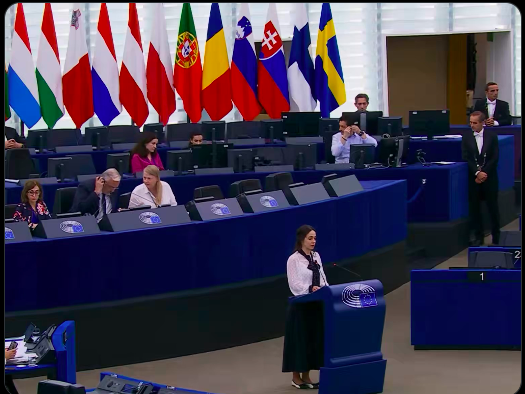
However, security commentators note that the tide is rapidly turning. Activists point out that the European Parliament previously passed a critical resolution explicitly noting that thousands of innocent Nigerians have perished due to a violent “your land or your blood” policy carried out by Fulani militants operating with total impunity.
| Conflict Data Tracker | Statistical Disconnect in Nigeria’s Security Landscape |
| The Historic Narrative | Western intelligence focus has remained strictly tied to Boko Haram and ISWAP. |
| The Present Reality | Fulani Ethnic Militias (FEM) are linked to 44% of all civilian deaths across monitored zones. |
| The Religious Skew | Data shows Christians are targeted at 4.4 times the rate of Muslims in affected Middle Belt grids. |
| Tactical Footprint | Direct midnight community raids using sophisticated weapons rather than traditional sticks. |
While European Union debates have occasionally seen internal disagreements over how heavily to emphasize climate change versus religious extremism, the explicit mention of “Fulani militants” in high-level Western legislative briefs represents a significant blow to the official narrative maintained by Nigeria’s Ministry of Foreign Affairs.
Escalating Pressures in Washington
The shift in perspective is not limited to Europe. In the United States, pressure is mounting within Congress through legislative frameworks like House Bill H.R. 7457. This bill seeks to officially designate specific Fulani herder networks and non-state armed actors as entities of particular concern.
Additionally, the United States Commission on International Religious Freedom (USCIRF) recently identified militant Fulani actors as primary drivers of religious freedom violations in the West African sub-region.
Domestic rights groups and local monitors, including the International Society for Civil Liberties and the Rule of Law (Intersociety), argue that international bodies must follow their rhetoric with concrete policy actions.
Because Western foreign terrorist rosters still predominantly feature groups formally aligned with global networks like Al-Qaeda or the Islamic State, violent local ethnic militias have historically slipped through the cracks of international sanctions and financial asset freezes.
Stakeholders maintain that the formal recognition of these actors by international watchdogs is an essential step toward forcing the federal government to confront the crisis with absolute transparency and protect vulnerable agrarian populations.