
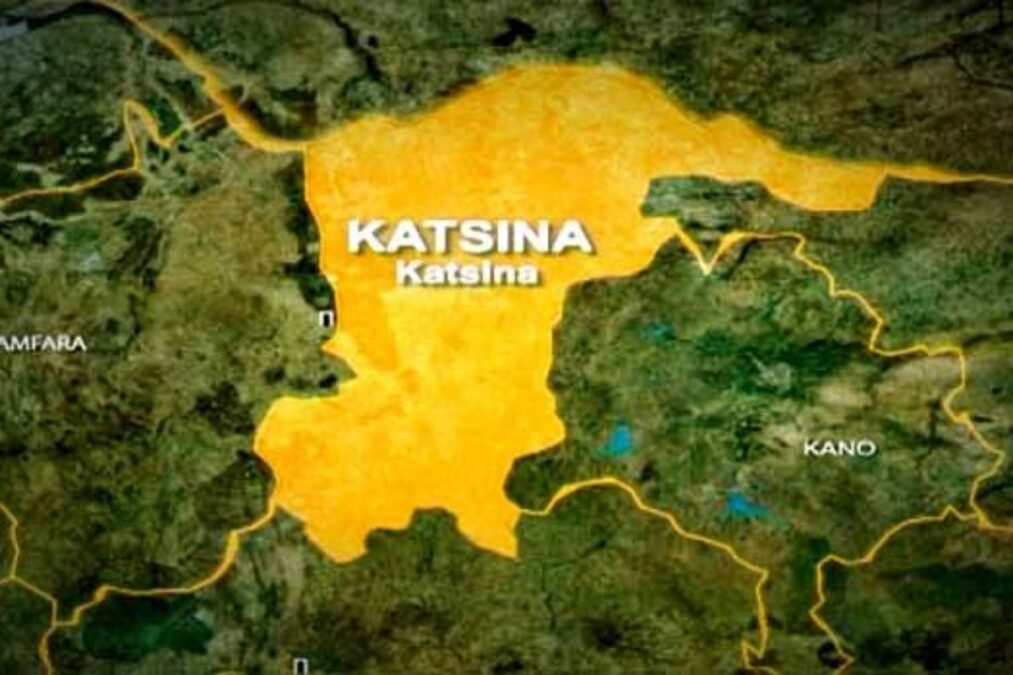
KATSINA, NIGERIA — A heavy cloud of political anxiety and bureaucratic silence has settled over the Katsina State Government House following the dramatic airport arrest of seven notorious terror commanders returning from the 2026 Hajj pilgrimage.
While the Federal Government celebrates the interception at the Umaru Musa Yar’Adua International Airport as a historic triumph of biometric technology, top officials in Katsina State have retreated into a tight-lipped silence—a move insiders say is driven by fear of political blowback and a desperate effort to decouple the state from an unfolding sponsorship scandal.
Caught in the Crossfire of Sponsorship Allegations
The arrest, confirmed by the Minister of Interior, Dr. Olubunmi Tunji-Ojo, could not have come at a more volatile time for Governor Dikko Umaru Radda. Just days before the Department of State Services (DSS) took custody of the high-profile suspects, the state government was frantically fighting off allegations that it had directly bankrolled the holy pilgrimage for select bandit leaders to the tune of millions of Naira.
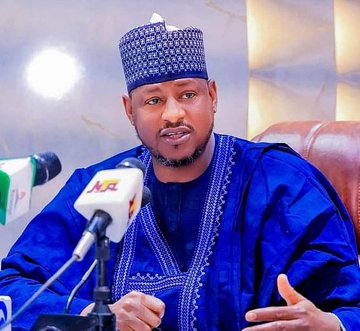
Though the State’s Commissioner for Internal Security and Home Affairs, Dr. Nasir Mu’azu, fiercely debunked those claims as “baseless and politically motivated”, the subsequent arrest of actual terror commanders stepping off a Hajj flight on Katsina soil has left the administration walking a public relations tightrope.
An anonymous source close to the state’s security apparatus whispered to 247ureports:
“Any statement from the state government right now is a lose-lose situation. If they comment on the identities of those arrested, it reopens the wound of the Trust TV allegations. They are choosing to treat this strictly as Abuja’s business.”
The Biometric Trap: How Abuja Bypassed Local Intel
The silence also underscores a widening gap between state-level security approaches and federal intelligence breakthroughs. According to federal authorities, the seven commanders were not caught via local informants, but through an newly integrated digital identity system where NIMC databases actively cross-referenced international immigration and border manifests in real-time.
By bypassing local security channels, federal agencies effectively kept Katsina State officials out of the operational loop until the handcuffs clicked shut.
Questions the State Cannot Safely Answer
As civil society groups demand to know how individuals on national terror watchlists successfully procured international passports, cleared local state screening boards, and boarded flights without detection, Katsina’s strategy remains clear: absolute deflated silence.
For Governor Radda, who has repeatedly advocated for aggressive, kinetic action against bandits, the presence of top-tier ISWAP and Boko Haram commanders utilising the state’s primary transit hub raises uncomfortable questions about security infiltration—questions that the state government believes are better left unanswered as the DSS begins its deep interrogation in Abuja.