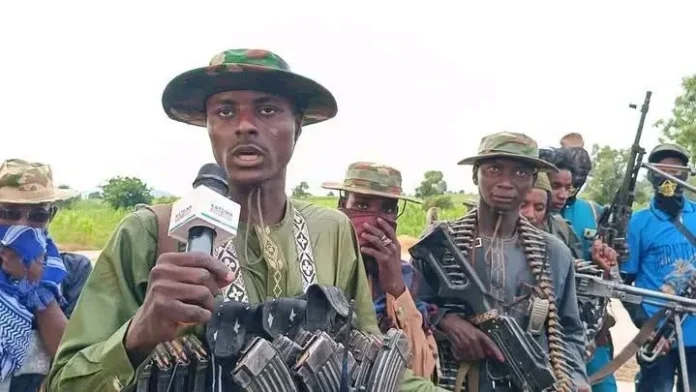


KATSINA, NIGERIA — In a major shift in the state’s security strategy, it has been revealed that 20 out of the 34 local government areas (LGAs) in Katsina State have entered into various peace agreements with bandit groups.
Governor Dikko Radda, while maintaining a personal policy against government-led negotiations, confirmed that he permitted these communities to engage in direct dialogue to stop the relentless cycle of violence and abductions.
The 20 LGAs Involved
The “Katsina Model” of community-driven peace now covers a significant portion of the state. The participating local government councils include frontline areas such as Jibia, Batsari, Safana, Danmusa, Kankara, Faskari, and Kurfi. Other areas involved in the pacts include Bakori, Kafur, Malumfashi, Dandume, Sabuwa, Funtua, Musawa, Matazu, Kankia, Kusada, Ingawa, Batagarawa, and Charanci.
Impact of the Pacts
According to the Governor, the communities that opted for these negotiations have experienced over a year of relative peace, allowing farmers to return to their fields. The agreements typically involve bandits pledging to halt attacks in exchange for access to essential services and local markets. “As long as it will give us the result we need, who wants to fight?” the Governor noted, acknowledging that the move was a response to the direct appeals of residents.
A Fragile Peace
While areas like Jibia have reported long stretches without major incidents, security analysts warn that the peace remains precarious. Critics point out that bandits in these 20 LGAs remain heavily armed and often shift their operations to neighbouring regions that have not signed similar deals. Furthermore, the Governor revealed that efforts are still being sabotaged by “moles” within government and security agencies who leak information to criminal kingpins.
Despite the risks, the state government maintains that these handshakes on the frontlines have provided a necessary reprieve for thousands of rural dwellers who were previously living in constant fear.