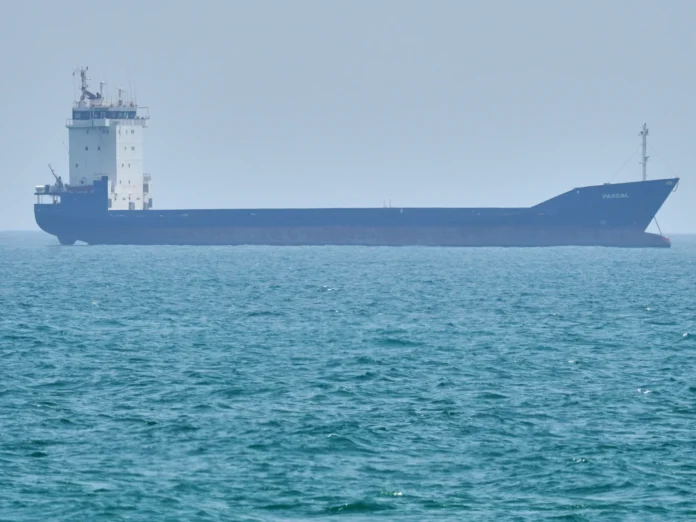


GULF OF OMAN — A high-stakes naval confrontation has pushed international tensions to a breaking point following the US military’s seizure of an Iranian-flagged cargo vessel, the M/V Touska. The ship was intercepted while allegedly transporting dual-use chemicals from China destined for Iran’s ballistic missile program.
The Interception and Boarding
On Sunday, April 19, 2026, the US Navy guided-missile destroyer USS Spruance intercepted the 900-foot-long Touska after it reportedly ignored multiple warnings over a six-hour period. The vessel was attempting to evade a US naval blockade roughly 30 miles off the Iranian coast, near the port of Chabahar.
When the crew refused to comply, the USS Spruance fired precision rounds into the ship’s engine room, disabling its propulsion. US Marines from the 31st Marine Expeditionary Unit then rappelled onto the deck from the amphibious assault ship USS Tripoli to secure the vessel and its crew.
The Chinese Connection and Missile Cargo
The seizure has triggered global alarms due to the nature of the ship’s cargo. US intelligence sources indicate the Touska was carrying chemical shipments from China critical to the manufacturing of solid rocket fuel.
Satellite tracking confirmed that before entering the Gulf, the vessel called at Gaolan Port in Zhuhai, China—a known hub for industrial chemicals such as sodium perchlorate. While Beijing and Tehran claim the cargo consists of legitimate industrial materials, US officials have classified the shipment as “dual-use” equipment designed to bolster Iran’s ballistic missile capabilities.
Diplomatic Fallout and Retaliation
The incident has effectively collapsed fragile peace negotiations that were scheduled to begin this week in Islamabad, Pakistan.
- Tehran’s Outcry: Iran has denounced the seizure as “armed piracy” and a violation of international maritime law. In response, Iranian officials have withdrawn from all scheduled diplomatic talks and warned of “crushing retaliation” against US naval assets in the region.
- Beijing’s Warning: The Chinese government issued a stern condemnation, describing the “unlawful interception” as an attack on its commercial interests and a threat to global trade routes.
- Washington’s Stance: President Donald Trump reaffirmed the blockade, stating that the Touska was already under sanctions for prior illegal activity. He warned that any attempt to interfere with the inspection of the ship’s containers would be met with overwhelming force.
As US forces begin the process of offloading thousands of containers for inspection, the Strait of Hormuz remains on high alert, with both sides increasing their military presence in the world’s most critical oil corridor.