
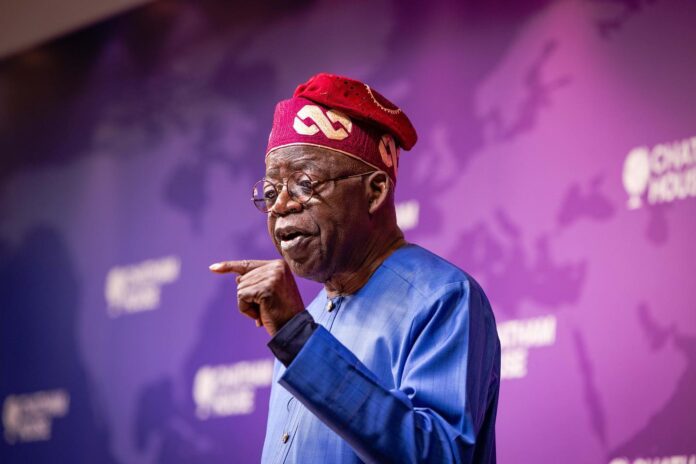


ABUJA — The National Assembly has approved President Bola Tinubu’s request for $6 billion in fresh external loans, a decision that has intensified criticism of the administration’s economic management. With Nigeria’s total public debt projected to climb toward ₦162 trillion, the move has sparked a heated debate over whether the government’s borrowing spree is a necessity or a symptom of deepening fiscal mismanagement.
Funding the Deficit
The newly approved loans are a cornerstone of the President’s record ₦68.32 trillion 2026 budget, which is currently grappling with a staggering ₦31 trillion deficit. The $6 billion package is divided into two primary facilities:
- A $5 Billion UAE Deal: A structured facility from First Abu Dhabi Bank intended for budget support and infrastructure.
- A $1 Billion Port Facility: Sourced through Citibank London to modernise the Lagos and Tin Can Island ports.
Rising Debt, Shrinking Revenue
Critics of the Tinubu administration point to the alarming reality of Nigeria’s debt-to-revenue ratio, which recently hit a peak where servicing obligations consumed the entirety of collected revenue. For 2026, debt servicing alone is projected to cost the nation ₦15.52 trillion.
Economic analysts argue that the administration’s management has left the country vulnerable. “Borrowing $6 billion while the Naira remains volatile is a high-stakes gamble,” says an independent fiscal expert. “Because nearly half of our debt is in foreign currency, every dip in the Naira makes these loans more expensive to repay, effectively trapping the economy in a cycle of bad debt.”
Calls for Accountability
While the Presidency insists the loans are vital investments for maritime and energy infrastructure, the opposition and civil society groups have labelled the move “reckless.” They argue that the administration has failed to implement the necessary revenue-generating reforms to justify such heavy borrowing, relying instead on a “borrow-to-spend” model that risks national bankruptcy.
As the Federal Government prepares to receive these funds, the focus remains on whether this capital will actually drive the promised economic growth or simply add to the mounting burden of an economy many believe is being steered toward a dead end.







