

ABUJA, Nigeria – Nkeki Mutah, National President of the Kibaku Area Development Association (KADA), has launched a stinging attack on the Borno State and Federal governments, claiming that the relentless nature of the Boko Haram insurgency points to a lack of political will or outright support from those in power.
“The Insurgency is Not Finishing”
Addressing a press conference this week, Mutah revealed the grim reality facing the Chibok community. He noted that since the world-famous 2014 abduction of schoolgirls, the area has never known peace, rarely going a single week without an abduction or a killing.
“It seems as though the people in authority don’t want the insurgency to finish,” Mutah stated. He went further, suggesting that the inaction of the Borno State government is a sign of support for the terrorists. “The handwriting of the authorities suggests they are in support of Boko Haram,” he added, citing the consistent failure to prevent coordinated raids.
A Decade of Blood
The data presented by KADA is staggering. Since November 2012, no fewer than 432 people have been killed in over 115 documented attacks on the Chibok local government area.
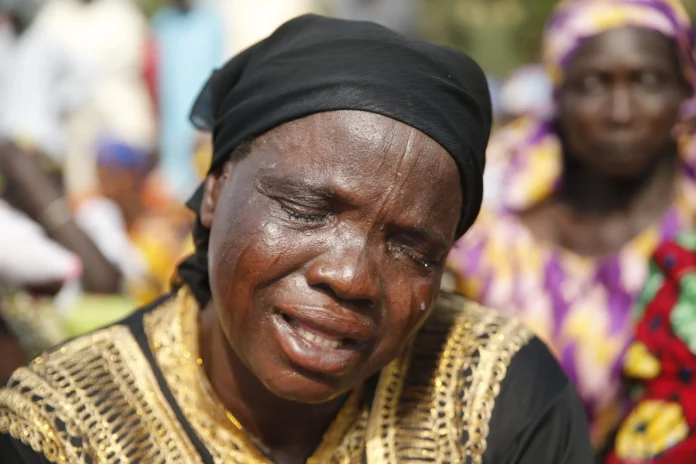
Most recently, between late March and early April 2026, the community witnessed a fresh wave of horror. In Kautikari, 11 people were killed, including the local vigilante leader, Bamto Daka. One victim, Yohanna Peter Yiguda, was murdered just two days before his wedding. Churches were razed, and homes in Kauthlama and Kwople were burned to the ground while reinforcements allegedly failed to arrive despite early warnings.
Demands for Survival
The Chibok community is now demanding more than just words. Their requests to the military include:
- The establishment of permanent military formations in strategic border areas.
- Increased troop deployment to counter the weekly incursions.
- Proper equipment and support for local vigilantes who remain the first line of defence.
With 91 of the original Chibok schoolgirls still missing and the community facing constant raids, Mutah’s message was clear: the people of Chibok feel abandoned by a government they no longer trust to protect them.