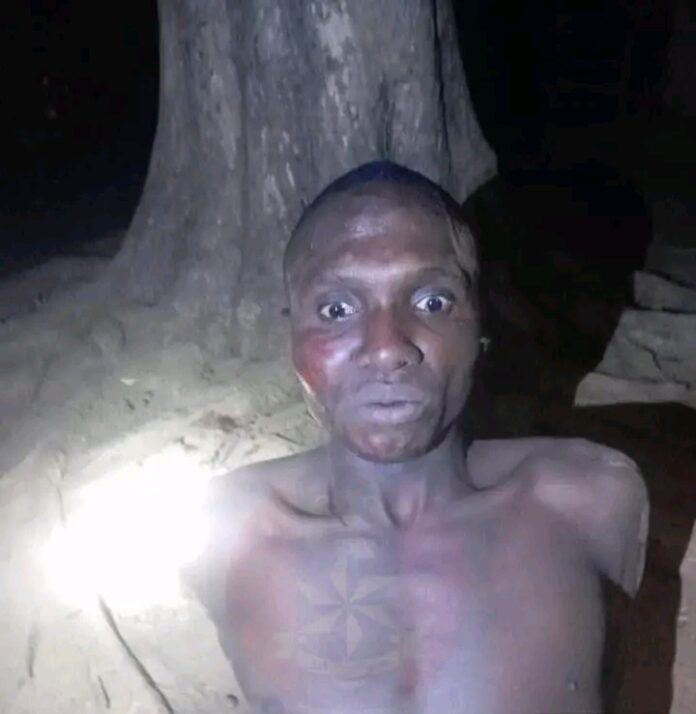


LOKOJA — Troops of the 12 Brigade, Nigerian Army, have successfully intercepted a series of logistics couriers transporting ammunition through Kogi State, an operation the military claims is a major blow to terrorist networks. However, the announcement has done little to soothe the anger of citizens across Nigeria’s Middle Belt, who contend that the army is consistently absent during the actual moments of carnage in their communities.
The tactical successes began on March 29, 2026, when a motorcycle rider was intercepted along the Jamata–Owara road in Lokoja. Soldiers discovered a hidden compartment used to conceal ammunition, with preliminary findings linking the suspect to known terrorist elements. This was followed by an operation on April 20, 2026, along the Obajana–Kabba road, where a Toyota bus was stopped. A search of the vehicle yielded 314 rounds of 7.62mm special ammunition and three AK-47 magazines.
Despite these recoveries, the mood across the country remains one of deep resentment. In states like Kwara, Plateau, Kaduna, and Benue, attacked communities maintain that the military is never on the ground when gunmen are actively raiding villages and killing residents. For these victims, the army’s habit of parading intercepted weapons feels like a hollow public relations exercise designed to create an illusion of safety while the most vulnerable areas are left completely undefended.
While the suspects and seized items have been handed over for further investigation, the divide between the military’s success stories and the reality of defenseless rural communities continues to widen. The recurring pattern of post-attack military arrivals has led many in the Middle Belt to conclude that the war against terror is being fought on supply routes, but not on the doorsteps where lives are actually being lost.