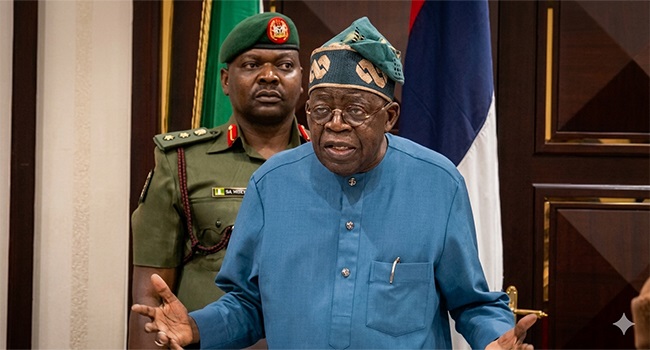


ABUJA — Nigeria’s Minister of Finance and Coordinating Minister of the Economy, Wale Edun, has officially attributed the country’s latest inflation surge to the escalating conflict between the United States, Israel, and Iran. Speaking in the wake of new economic data, the Minister explained that the geopolitical tension has triggered massive energy shocks, particularly following disruptions in the Strait of Hormuz. These global events have pushed domestic petrol and diesel prices up by 50 to 70 percent within weeks, driving the national inflation rate to 15.38 percent this March after months of steady decline.
However, this explanation has met significant pushback from economic experts and the Nigerian public, many of whom view the war as a convenient scapegoat for long-standing internal issues. While the government focuses on external shocks, critics are quick to point out that the current cost-of-living crisis began in 2023 with the sudden removal of fuel subsidies and the aggressive devaluation of the Naira. These domestic policy shifts sent prices soaring long before the first missiles were fired in the Middle East, creating a fragile economic environment that was already at a breaking point.
Furthermore, the surge in food prices is being linked more closely to internal security challenges than to global oil trends. Persistent banditry in farming belts, combined with seasonal flooding, has severely hampered food production and distribution across the country. Analysts also argue that Nigeria’s continued inability to refine its own crude oil is a self-inflicted structural failure that spans decades, leaving the nation uniquely vulnerable to the very global price swings the Minister is now citing as an excuse.
As the debate intensifies, the central question remains whether Nigeria’s economic suffering is truly a product of international warfare or a result of leadership failures and inconsistent domestic policies. While the government calls for patience in the face of global instability, many citizens are demanding a more honest assessment of why domestic refineries remain dormant and why local security has not been resolved to protect the food supply.