
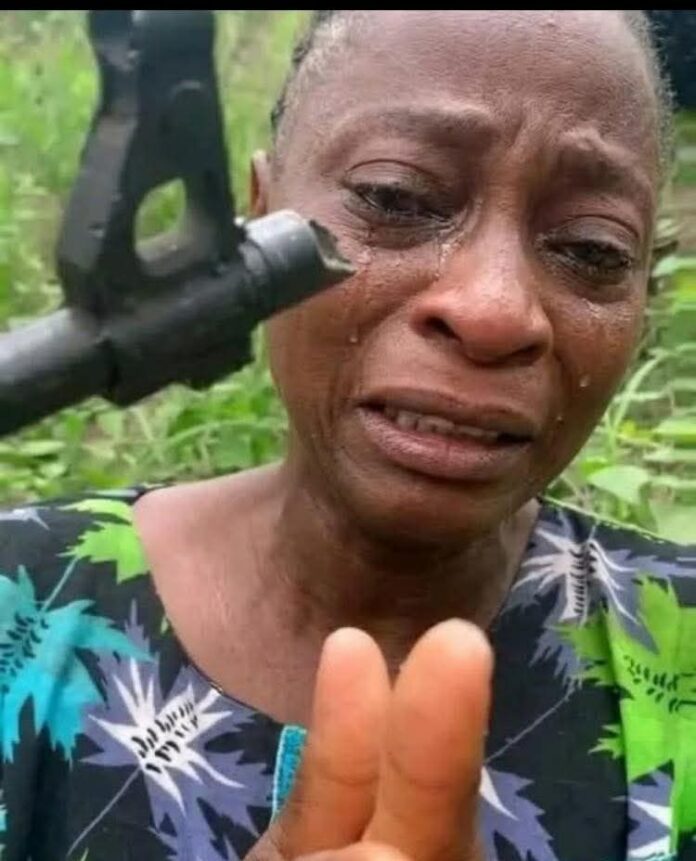


IBADAN — The deep-seated anger surrounding rural insecurity and ethnic profiling in Southwest Nigeria has resurfaced as commentators revive the harrowing details of the brutal murder of Dr. Fatai Aborode.
Aborode, a prominent agribusiness investor who returned from abroad to establish a large-scale mechanized farm in Igangan, Ibarapa North Local Government Area of Oyo State, was tied to a tree and hacked to death after complaining that armed herders had systematically destroyed his crops.

The historical tragedy remains a major flashpoint in the ongoing debate over the failure of federal law enforcement to secure the nation’s agricultural belts, forcing local actors to step into the vacuum.
+————————————————————————-+
| THE INCIDENT THAT SPARKED THE RESISTANCE |
+————————————————————————-+
| • Victim: Dr. Fatai Aborode (Diaspora Returnee & Agribusiness Investor) |
| • Location: Igangan, Ibarapa North LGA, Oyo State |
| • The Catalyst: Destruction of crops followed by a formal complaint |
| • Outcome: Brutal assassination by armed actors inside the farmlands |
+————————————————————————-+
The Collapse of Local Dispute Resolution
Before his assassination, Dr. Aborode had followed formal local channels, approaching the regional Sarkin Fulani to register a complaint regarding the continuous encroachment of cattle onto his multi-million Naira farmlands. Instead of receiving a peaceful resolution or compensation, the investor was intercepted on his way from the farm, tied to a stake, and hacked to death by armed assailants.
The murder sent shockwaves through the diaspora community and completely shattered local confidence in peaceful coexistence. It directly triggered the rise of popular activist Sunday Adeyemo, popularly known as Sunday Igboho, who mobilized local youth to issue eviction notices to herder communities accused of harboring kidnappers and bandits in the Ibarapa forests.
Misplaced Villains vs. Protected Criminals
Local residents and regional commentators argue that a dangerous, elite-driven narrative has consistently sought to paint local resistance figures as the primary threat to peace, while ignoring the armed syndicates occupying the forests. Critics point out that religious and political establishment leaders frequently use media spin to lecture the victims of agrarian violence on unity, while failing to arrest the criminal networks destroying the local economy.
“To the religious extremists among us, Sunday Igboho is the problem, not the criminal leaders and the locals aiding and abetting the bandits who have taken over our forests,” a local commentator remarked, reflecting the intense frustration of communities left completely unprotected by conventional security agencies.
The Economic Cost of Rural Insecurity
The systematic displacement of farmers in places like Ibarapa has had a devastating effect on the national economy. With large-scale investors like Aborode assassinated and local farmers fleeing their ancestral lands for fear of mass abductions, the Southwest’s food supply chain has effectively collapsed.
This agrarian crisis is a primary driver of the historic, unprecedented food inflation currently plunging millions of households into severe hunger. Security experts warn that as long as the federal government prioritizes political damage control over the aggressive clearance of armed criminal camps from regional forests, the cost-of-living crisis will continue to worsen.
Verdict: A Fractured Social Contract
The ongoing agitation in the Southwest serves as a direct indictment of an insensitive administrative structure that has failed to guarantee the most basic right to life and property.
By failing to bring the killers of agrarian investors to justice and treating local self-defense movements as insurgencies, state actors have broken the social contract. For ordinary Nigerians watching their farmlands turn into killing fields, the message remains clear: until the actual criminal networks are dismantled, official lectures on national unity are entirely hollow.