
.
.
September 13, 2026
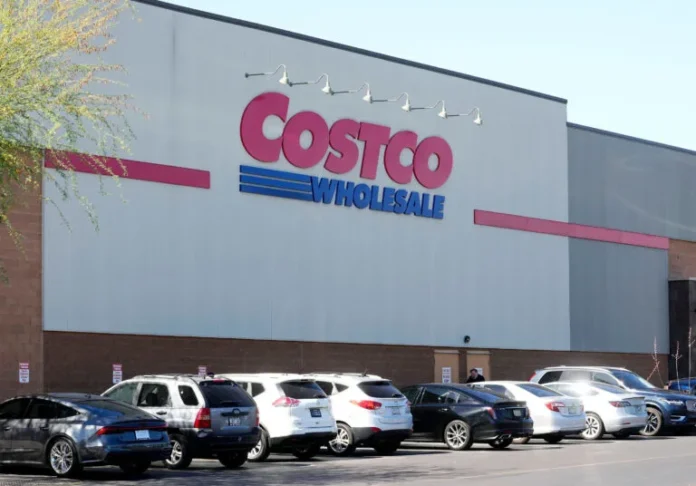
Costco has begun rationing motor oil for the first time, limiting members to one transaction and a maximum of two units every seven days on its Kirkland Signature house-brand full-synthetic oil, as a global lubricant supply crunch tied to the disruption of Persian Gulf shipping pushes prices sharply higher.
A 10-quart box of Kirkland Signature full-synthetic, which sold for as little as $30 before the current Middle East conflict, is now priced at $58 on the retailer’s own listings. Costco has also capped purchases of Mobil 1 full-synthetic at five units per member, according to the company’s website.
Why oil is running short
Motor oil is refined from the same crude oil barrel that produces gasoline and diesel. With fuel refining margins at record highs, refiners have been prioritizing gasoline and diesel production over lubricant base stocks, squeezing supply of the feedstock used to make motor oil.
The shortage has been compounded by disruption to Gulf base oil supply routed through the Strait of Hormuz. The United States imports a substantial share of its Group III base oil — the primary feedstock for modern synthetic motor oil — from Persian Gulf producers including Bahrain’s Bapco and the UAE’s ADNOC, supply lines that have been disrupted amid the region’s ongoing conflict.
Two automakers have already warned of dwindling motor oil stock, according to industry reporting, raising concerns about availability for both consumer purchases and dealership service departments.
Scope of the rationing
Costco’s two-unit, seven-day limit applies specifically to Kirkland Signature full-synthetic motor oil; some multi-pack configurations have also shown as out of stock on the company’s site in recent days, while single-unit purchases remain available subject to the cap. The retailer has not issued a formal public statement explaining the rationing beyond what is reflected in its own product listings, which display “Limit 2 Per Member” notices.
Costco is known for rarely imposing purchase limits outside of emergency conditions such as natural disasters or pandemic-driven demand spikes, making the current restriction notable to industry observers tracking the broader effects of Gulf supply disruptions on U.S. consumer goods.