
WASHINGTON / TEHRAN — As diplomatic negotiations and regional confrontations between Washington and Tehran continue to dominate global headline news, a fundamental structural obstacle stands at the core of any potential resolution: Iran’s refusal to trust United States security assurances in exchange for unilateral nuclear disarmament.
For Iranian leadership and national security strategists, historical precedents over the past two decades have solidified the view that surrendering strategic capabilities to Western powers invites military intervention and regime change rather than long-term peace.
1. The Shadow of the JCPOA Unilateral Withdrawal
The most immediate foundation for Tehran’s skepticism stems from recent diplomatic history. In 2015, Iran signed the Joint Comprehensive Plan of Action (JCPOA) alongside the U.S. and world powers, drastically restricting its enrichment activities and subjecting its facilities to unprecedented International Atomic Energy Agency (IAEA) inspections.
Despite official IAEA certification of full Iranian compliance, the United States unilaterally withdrew from the pact in 2018, reimposing crushing economic sanctions under a “maximum pressure” campaign. For Iranian negotiators, this historic reversal demonstrated that executive agreements with Washington carry little structural durability across political administrations.
2. The “Gaddafi Model”: Compliance Followed by Regime Collapse
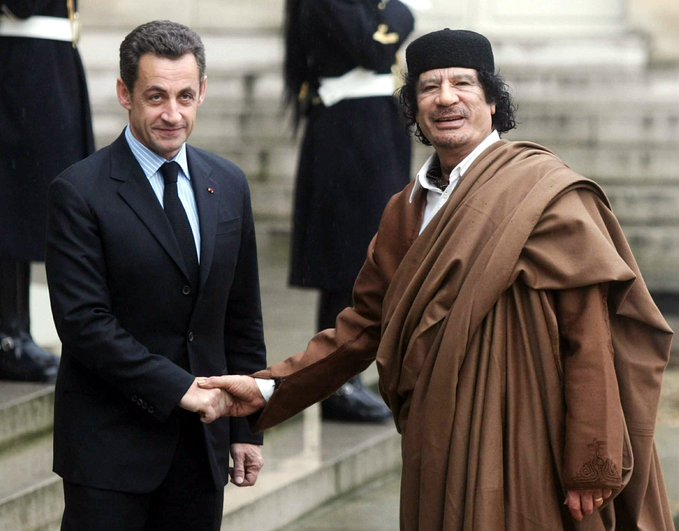
In foreign policy circles, the fate of Libyan leader Muammar Gaddafi in 2011 serves as a perpetual cautionary tale. In 2003, Gaddafi voluntarily dismantled Libya’s nuclear program, handed over centrifuge hardware, and accepted Western inspection regimes in exchange for sanctions relief and diplomatic normalization.
However, when domestic unrest erupted during the 2011 Arab Spring, NATO forces launched a seven-month air campaign that directly enabled the overthrow and extrajudicial killing of Gaddafi. Tehran views Libya as clear historical proof that voluntary disarmament strips a nation of its ultimate defense deterrent, leaving it vulnerable to subsequent regime change operations.
3. The 2003 Iraq Precedent: Disarmament Without Security
The 2003 invasion of Iraq further reinforced Iran’s strategic calculus. Despite years of rigorous UN weapons inspections and the total absence of operational nuclear capabilities, Saddam Hussein’s government was forcibly removed under the pretext of non-existent WMD stockpiles. The precedent demonstrated to regional powers that lacking a nuclear capability fails to guarantee immunity from external military intervention.
4. Contrast with Nuclear-Armed States
Iranian defense analysts frequently point to the stark contrast between non-nuclear states that complied with Western demands and nuclear-armed nations like North Korea. While disarmed leaders faced foreign military campaigns, Pyongyang’s nuclear arsenal has effectively functioned as an absolute insurance policy against invasion.
Strategic Implication: The Negotiation Stalemate
Consequently, Iranian negotiators maintain that any future agreement cannot rely on verbal promises or temporary executive orders from Washington. Tehran insists that unless the U.S. offers permanent, legally binding security guarantees, verified economic sanctions relief, and recognition of its sovereign security needs, demanding the complete dismantling of its nuclear program remains a strategic non-starter.