


.
.
TEHRAN / WASHINGTON — Intelligence assessments from Western officials reveal that Iran has successfully preserved key segments of its missile and drone manufacturing infrastructure despite enduring an eight-month bombardment campaign by U.S. and Israeli forces.
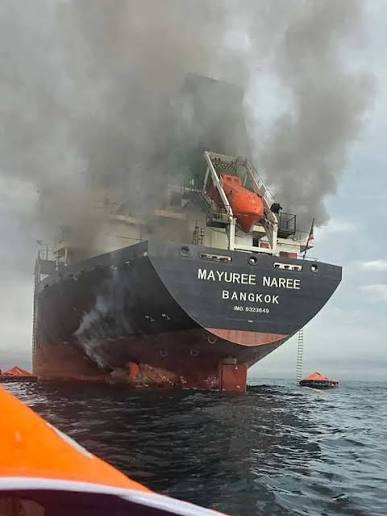
The findings contradict recent statements from the White House and the Pentagon claiming Tehran’s military-industrial complex had been completely dismantled, raising fresh security concerns across the Middle East as Iranian forces continue to disrupt commercial shipping around the strategic Strait of Hormuz.
Intel Breakdown: Stocks Retained, Russian Resupply Active
According to Western officials cited by Bloomberg, intelligence reports indicate that Iran’s defense facilities retain sufficient operational capacity to rapidly replenish its depleted munitions reserves:
- Substantial Stockpiles: Officials state that Tehran maintains a significant inventory of ballistic missiles alongside strategic anti-ship weaponry, ensuring sustained operational reach.
- Rapid Production Capacity: Surviving manufacturing lines allow Iranian defense industries to replace expended assets relatively quickly.
- Russian Missile Supplies: The assessment further claims Russia has actively supplied Iran with additional, unspecified missile platforms to bolster its defense infrastructure, mirroring earlier intelligence reports from mid-2026.
Tactical Pause Ahead Of U.S. Midterms
The intelligence disclosure coincides with a strategic pause in major U.S. offensive operations. U.S. President Donald Trump has publicly signaled a deferral of further large-scale military strikes on Iranian targets until after the upcoming congressional midterm elections.
Military analysts warn that the operational window provided by the pause could allow Tehran to fortify subterranean assembly facilities, disperse remaining launch batteries, and further integrate imported Russian platforms before any potential resumption of hostilities.
Narrative Conflict Over Airstrike Impact
The Western intelligence findings present a stark contrast to official assertions issued by the Trump administration:
- Administration Claims: Former declarations from Washington insisted that joint operations had completely obliterated Iran’s industrial defense base and nuclear capabilities.
- On-Ground Reality: While airstrikes inflicted heavy damage on primary facilities, decentralized production networks and underground manufacturing complexes have allowed Iran to maintain basic production pipelines.
With maritime attacks escalating in regional sea lanes and proxy groups maintaining active pressure, defense officials in Washington and regional capitals continue to review military options should conflict escalate following the U.S. political cycle.