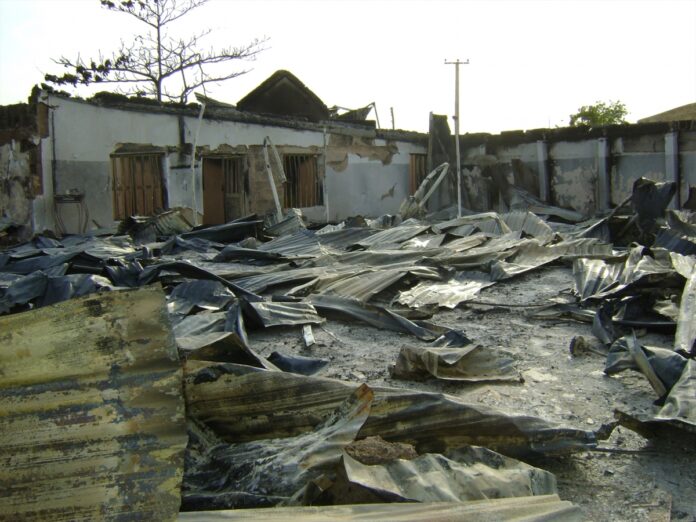

ABUJA, Nigeria — Facing a relentless wave of midnight raids, mass abductions, and village massacres across Southern Kaduna and the broader Middle Belt, local community leaders and civil rights groups are accusing President Bola Ahmed Tinubu of playing ostrich while Christian populations face horrific, unchecked violence.
Opponents and community advocates argue that the administration’s response to the continuous destruction carried out by armed militias is defined by deliberate avoidance and narrative manipulation. Instead of confronting the targeted ethnoreligious nature of the assaults, federal authorities have consistently downplayed the bloodshed, reframing systematic violence under sanitize labels like “eco-climatic herder-farmer disputes” or generalized criminal banditry—a move local groups like the Southern Kaduna People’s Union (SOKAPU) fiercely condemn as an attempt to evade state responsibility.
Lobbying Abroad while Communities Bleed
Fueling widespread indignation are reports that the administration has committed heavy resources to international public relations and Washington lobbying firms. The diplomatic offensive is aimed at convincing foreign governments, including the United States, that the conflict is non-religious and driven purely by climate pressures and resource scarcity.
Yet, for residents on the ground, the official narrative stands in stark contrast to reality. Rural agrarian hubs report that heavily armed groups operate with near-total freedom, launching coordinated attacks without proactive security intervention. The government’s reluctance to acknowledge the religious dimensions of the crisis is viewed by critics not as neutrality, but as a refusal to defend vulnerable populations.
The Toll of the Same-Faith Presidency
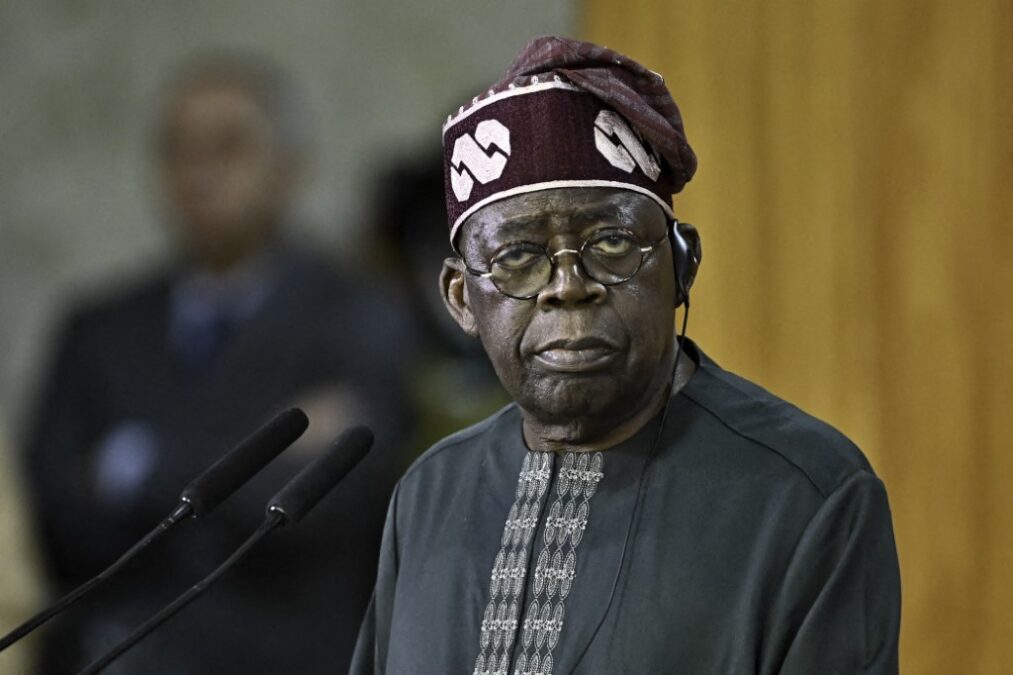
The worsening insecurity has reignited deep-seated anger over the administration’s controversial Muslim-Muslim ticket. Skeptics maintain that the same-faith executive structure has severely compromised the government’s credibility, creating a sense of total abandonment among minority groups in the North Central region.
As political alignments shift toward the 2027 general elections, opposition leaders such as Atiku Abubakar and Peter Obi are being weighed as potential alternatives. However, civic leaders emphasize that politically replacing the administration will mean little unless accompanied by a complete overhaul of the security apparatus, direct deployment of protective forces to vulnerable rural sectors, and an unyielding crackdown on militia networks.