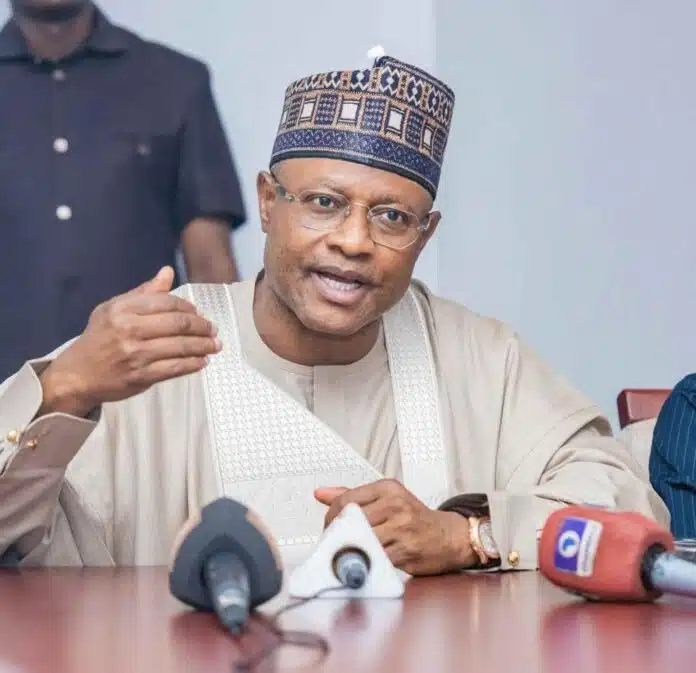


KADUNA — A wave of deep resentment has spread across Northern Nigeria following statements by Kaduna State Governor, Senator Uba Sani, who claimed that President Bola Ahmed Tinubu has delivered more development projects to the region than any previous northern leader. Sani went further to assert that the President would secure an even larger vote share across the northern states in the 2027 presidential election.
Speaking during a national television broadcast, Governor Sani brushed aside growing criticisms of the federal government, insisting his endorsements were rooted in tangible achievements.
“No president has developed the North as President Bola Ahmed Tinubu has done in the last three years… As the governor of Kaduna State, I can categorically say the president will get more votes in 2027 than he got in 2023.”
— Governor Uba Sani
However, across the region’s three geopolitical zones, this political praise is meeting a wall of bitter anger from a population currently enduring severe security threats, unprecedented economic hardship, and what many view as systematic marginalization.
The Root of the Anger: Security and Economic Failures
For millions of northerners, the Governor’s optimistic projections read as completely detached from the daily struggle to survive. Instead of witnessing a developmental boom, the region is dealing with the catastrophic combination of spiraling inflation and unchecked banditry.
Local community leaders and ordinary citizens point to three core realities fueling the widespread anger over Sani’s remarks:
- Uncurtailed Insecurity: Despite federal assurances, bandit warlords and terrorist factions still hold sway over vast rural areas in Zamfara, Katsina, Kaduna, and Sokoto. Farmers are systematically forced to pay “protection taxes” to armed groups just to harvest their crops, while rural schools are being shut down or occupied as criminal outposts.
- The Weight of Economic Hardship: The elimination of the fuel subsidy and the flotation of the Naira have crippled the northern informal economy. With transportation costs skyrocketing, basic food items have been driven far out of reach, plunging millions of households into severe hunger.
- Perceived Marginalization: Beyond the economic pain, there is a growing consensus among northern stakeholders that the region has been marginalized in the distribution of strategic national infrastructure projects and key cabinet appointments, despite the North providing the critical voting mass that brought the administration to power in 2023.
By The Numbers: The Fragile State of the Region
The data behind the region’s frustration underscores why the traditional patience of the northern electorate is turning into political defiance.
| Regional Metric | Official Narrative | The Lived Experience |
| Agricultural Viability | Touted federal fertilizer distributions and dry-season farming grants. | Severely depressed; massive rural displacements have left millions of hectares of arable land fallow. |
| Electoral Sentiments | Claims of a consolidated, unshakable APC vote bloc across the North-West. | Fractured by widespread voter regret, particularly among youth and women demographics. |
| Infrastructure Inflow | Focus on high-profile commissions and symbolic regional representations. | Completely overshadowed by frequent power grid collapses, collapsing local economies, and unsafe roads. |
A Polarizing Strategy for 2027
Political observers warn that the ruling party’s attempt to use incumbent governors to paint a picture of regional prosperity could alienate voters. Trying to convince a hungry and insecure populace that they are experiencing unprecedented growth is a high-stakes gamble.
“There is a profound disconnect between the statements coming out of government houses and the actual reality in places like Giwa, Birnin Gwari, or Maradun,” noted regional analyst Dr. Kabir Yusuf. “You cannot convince voters in 2027 with political rhetoric when they are actively dealing with empty granaries and burying victims of insecurity.”
As the political maneuvering for the next general election intensifies, the direct clash between Governor Uba Sani’s assurances and the raw anger of the northern populace is setting up the region as the ultimate political battleground.