
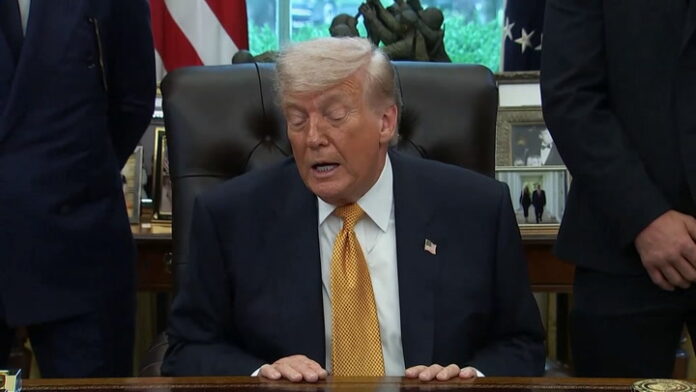

RIYADH, SAUDI ARABIA — A high-stakes U.S. naval operation to reopen the Strait of Hormuz hit a sudden standstill this week after Saudi Arabia withheld military access to its airspace and key bases, forcing President Donald Trump to pause “Project Freedom.”
The friction, which reached a breaking point between May 4 and May 6, 2026, marks a significant public rift between Washington and its most powerful Gulf ally over the risk of a full-scale military escalation with Iran.
Strategic Standoff in the Gulf
The Strait of Hormuz, which handles nearly 30% of the world’s seaborne oil, has been effectively choked by rising tensions, trapping commercial vessels and sending global energy prices into a tailspin. In response, President Trump announced “Project Freedom” on Sunday, May 3, promising naval and air escorts to protect tankers from Iranian threats.
However, the initiative reportedly “blindsided” regional partners. Fearing that the uncoordinated move would provoke Iranian retaliatory strikes on their own oil infrastructure, Saudi officials informed the U.S. that military aircraft would not be allowed to operate from Prince Sultan Air Base or transit Saudi airspace to support the mission.
MBS-Trump Deadlock
The air cover, deemed essential for the safety of the naval escorts, was effectively neutralized by the restriction. A direct phone call between President Trump and Crown Prince Mohammed bin Salman (MBS) failed to resolve the impasse, as Riyadh prioritized its ongoing de-escalation efforts with Tehran and its “Vision 2030” economic stability.
Within 36 hours of the operation’s launch, the White House was forced to announce a pause. While U.S. officials cited the need for further coordination, President Trump later suggested on social media that the pause was due to “great progress” in diplomatic talks being brokered by third parties.
Riyadh Denies the Rift
Publicly, the Saudi government has pushed back against reports of a military blockade. A government-aligned source told AFP that reports of denied access were “not true” and that the U.S. maintains its regular access to Saudi facilities.
Analysts, however, see the move as a clear signal of strategic autonomy by the Crown Prince. It demonstrates that Gulf states, while maintaining a security partnership with the U.S., will no longer automatically support American initiatives that they perceive as reckless or poorly planned.
For now, the hundreds of tankers waiting at the mouth of the Strait remain in limbo as Washington attempts to bridge the gap with its Gulf partners and navigate a fragile 14-point peace memorandum currently being discussed behind the scenes.