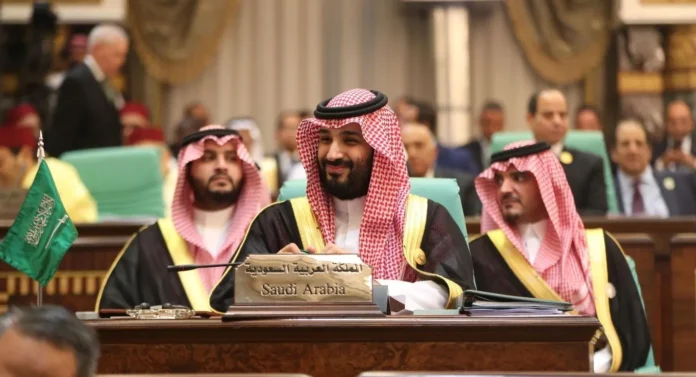


RIYADH, SAUDI ARABIA – In a move that has sent shockwaves through international diplomatic circles, the Kingdom of Saudi Arabia has officially blocked the United States military from utilizing its airbases and sovereign airspace for operations linked to the Strait of Hormuz.
The decision, communicated to Washington on Thursday, May 7, 2026, marks a significant departure from decades of strategic security cooperation between the two nations. It has effectively stalled “Project Freedom,” a high-stakes U.S. naval mission intended to break the Iranian blockade of the world’s most vital oil transit point.
A Sudden Halt to Operations
The restriction specifically targets U.S. assets stationed at the Prince Sultan Air Base. Saudi authorities have reportedly informed the Pentagon that no sorties or logistics flights supporting the Hormuz mission will be permitted to originate from or transit through the Kingdom.
Kuwait has also reportedly followed suit, further complicating the U.S. military’s regional footprint. This collective pushback forced the White House to abruptly pause the deployment of a maritime escort task force that was scheduled to begin clearing commercial lanes this weekend.
Diplomatic Friction and De-escalation
Sources within the Saudi Foreign Ministry indicate that the move is a reaction to a lack of prior coordination. Reports suggest that the Kingdom was blindsided by the sudden announcement of the mission via social media, which bypassed traditional high-level diplomatic channels.
Beyond the procedural friction, Riyadh appears to be pivoting toward a policy of regional de-escalation. Under the leadership of Crown Prince Mohammed bin Salman, the Kingdom is prioritizing mediated talks—currently being facilitated through Pakistani channels—to resolve the standoff with Iran without risking direct retaliatory strikes on Saudi oil infrastructure.
Shifting Power Dynamics
The refusal to grant airspace and base access highlights a growing independence in the foreign policy of Gulf states. For the United States, the blockade presents a massive logistical challenge, forcing a reliance on more distant bases like Diego Garcia, which significantly increases response times and operational costs.
Energy markets reacted sharply to the news, with oil prices climbing as the prospect of a swift resolution to the Hormuz blockade faded.
Current Situation
As of Thursday afternoon, the White House has not issued a formal rebuttal, though senior defense officials are reportedly engaged in emergency talks with their Saudi counterparts. For now, the “Project Freedom” fleet remains in a holding pattern in the Arabian Sea, awaiting a new operational roadmap that does not rely on traditional Gulf support.