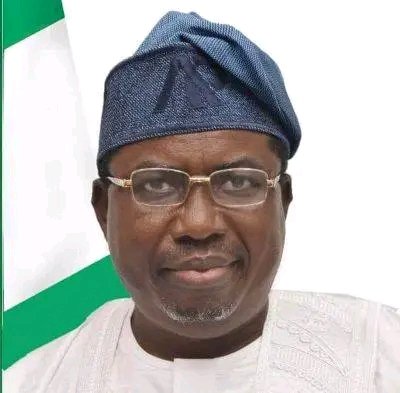

As the political temperature in Nigeria begins its inevitable climb toward the 2027 general elections, one name has become the lightning rod for a national debate on institutional integrity: Professor Joash Ojo Amupitan (SAN).
As the Chairman of the Independent National Electoral Commission (INEC), Amupitan holds perhaps the most sensitive job in the country. In a democracy, the umpire must not only be neutral but must be seen to be neutral. However, as the ruling APC grapples with internal fractures—most recently the withdrawal of support by the Arewa APC Forum in Kano—the spotlight on Amupitan’s past and present has never been harsher.
The Shadow of 2023
The primary ammunition for Amupitan’s critics isn’t his academic resume, which is stellar, but his recent legal history. Before his elevation to the helm of INEC, the Senior Advocate served as Lead Counsel to President Bola Ahmed Tinubu and the APC during the high-stakes 2023 Presidential Election Petition Tribunal.
For the opposition, this is a bridge too far. They argue that a man who spent months legally defending the President’s victory cannot, overnight, become a disinterested referee of the President’s next contest. Groups like the Coalition of Civil Society Organizations in Nigeria (COCSON) have been vocal, claiming that “the umbilical cord between the umpire and the candidate has not been severed.”
The Email Trail and the Partisan Cloud
Adding fuel to the fire are recent forensic allegations linking Amupitan’s personal email to social media accounts that reportedly shared partisan APC content during the last election cycle. While the Chairman has dismissed these as distractions, the optics have emboldened his detractors.
His handling of internal opposition crises has also come under fire. Critics point to INEC’s stance in the leadership tussle within the African Democratic Congress (ADC) as a sign of “regulatory bias” designed to weaken the President’s rivals before a single vote is cast.
The Legal Fortress
Can Amupitan actually “go against” the man who appointed him? Legally and constitutionally, he must. The Electoral Act mandates absolute independence. Supporters of the Chairman argue that his professional reputation as a jurist is his primary motivator. They suggest that Amupitan knows the eyes of history are on him and that he is determined to leave a legacy of reform that transcends party loyalty.
Furthermore, the law makes him nearly untouchable. Removing an INEC Chairman requires a two-thirds majority in a Senate that remains, for now, largely aligned with the Presidency. This “fortress” around his office means that whether he acts as an ally or an independent umpire, he is likely the man who will oversee the 2027 tally.
The Verdict of the Streets
In the tea rooms of Abuja and the markets of Kano, the question remains: Can the hunter become the game warden?
If Amupitan enforces strict electoral discipline—disqualifying non-compliant candidates or ruling against the APC on technical grounds—he may prove his independence. But if the 2027 cycle is marred by the same “technical glitches” and controversies of the past, the “Lead Counsel” label will likely follow him into the history books.
As the Arewa APC Forum’s exit suggests, the 2027 race will be a street fight. The question for Nigerians is whether the referee is wearing a jersey under his robes.