
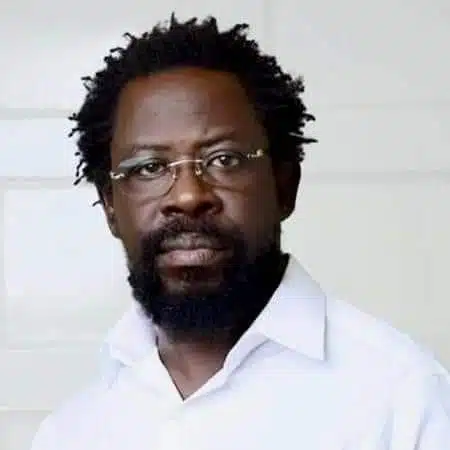

LAGOS, Nigeria – Human rights lawyer and activist Dele Farotimi has stirred the political pot with a blunt assessment of Nigeria’s top power brokers, claiming the mutual corruption allegations between Bola Tinubu and Atiku Abubakar reveal a shared understanding within the political elite.
The “Thief” Narrative
Speaking on the state of the nation as of April 2026, Farotimi pointed out the irony of the ongoing public spat between President Bola Tinubu and former Vice President Atiku Abubakar.
“Atiku Abubakar is calling Bola Tinubu a thief and Bola Tinubu is also calling Atiku a thief,” Farotimi remarked. He noted that despite the vitriol exchanged between the two camps, neither has been able to pin similar labels on the Labour Party’s Peter Obi. “Both Atiku and Tinubu have not called Peter Obi a thief for once. Thief knows thief.”
Farotimi’s “thief knows thief” logic suggests that while the established ruling class recognizes their own kind, they are unable to use the same corruption-based attacks against an outsider with a relatively clean track record.
Skepticism Over 2027
The lawyer’s comments come amid rising political tension and deep cynicism regarding the next general election. Farotimi has been vocal in his belief that the 2027 polls are a “distraction,” arguing that without fundamental systemic changes, the electoral process remains a “charade.”
His current stance includes:
- Systemic Failure: He maintains that the Nigerian system is “rotten to the core” and that true change cannot come through a flawed ballot box.
- The Obi Factor: Despite his doubts about the electoral system, Farotimi confirmed in April 2026 that he still views Peter Obi as the candidate of integrity and would support him again if a credible vote were possible.
- Judiciary Concerns: He has frequently criticized the role of the judiciary in validating controversial election results, calling it a “capture” of the democratic process.
Legal Challenges and Activism
Farotimi’s outspoken nature has made him a target for legal pushback. He recently faced a high-profile defamation case and a period of detention in Ekiti State, which his legal team and supporters described as an attempt to stifle dissent.
Despite the pressure, Farotimi continues to demand a total overhaul of the Nigerian constitution, insisting that the current structure is designed to protect the “ruling class” at the expense of the citizens.