
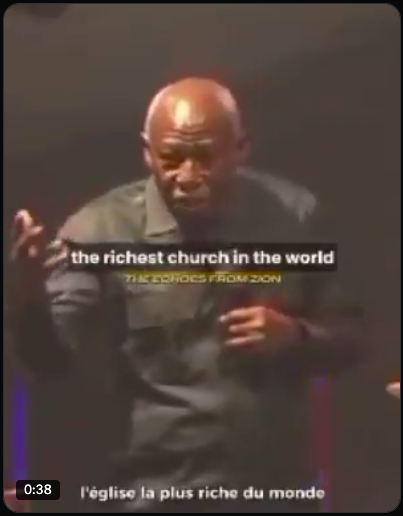


ILORIN — Prominent Nigerian cleric, Prophet Isaac Omolehin, has sparked an intense national debate within the Christian community after publicly questioning the wealth accumulation and lifestyles of local prosperity preachers compared to global religious institutions.
Speaking on the stark contrast between institutional wealth and individual opulence, Omolehin—the founder of the Word Assembly Ministries—noted that while individual Nigerian pastors rank among the wealthiest religious leaders globally, their ministries do not possess the structural, generational assets that define truly wealthy global churches.
“The Pope Has No Private Jet”
Omolehin pointed out a significant contradiction in how wealth is managed and displayed between traditional global Christian institutions and modern Nigerian pentecostal ministries. He highlighted that institutional power and financial capacity do not necessarily require personal luxury.
- The Global Standard: The clergyman noted that while the Roman Catholic Church is structurally and financially the wealthiest religious institution in the world, the Pope—the spiritual head of over 1.3 billion Catholics—does not own a private jet. Instead, the Vatican relies on chartered state flights or institutional transport assets rather than personal ownership.
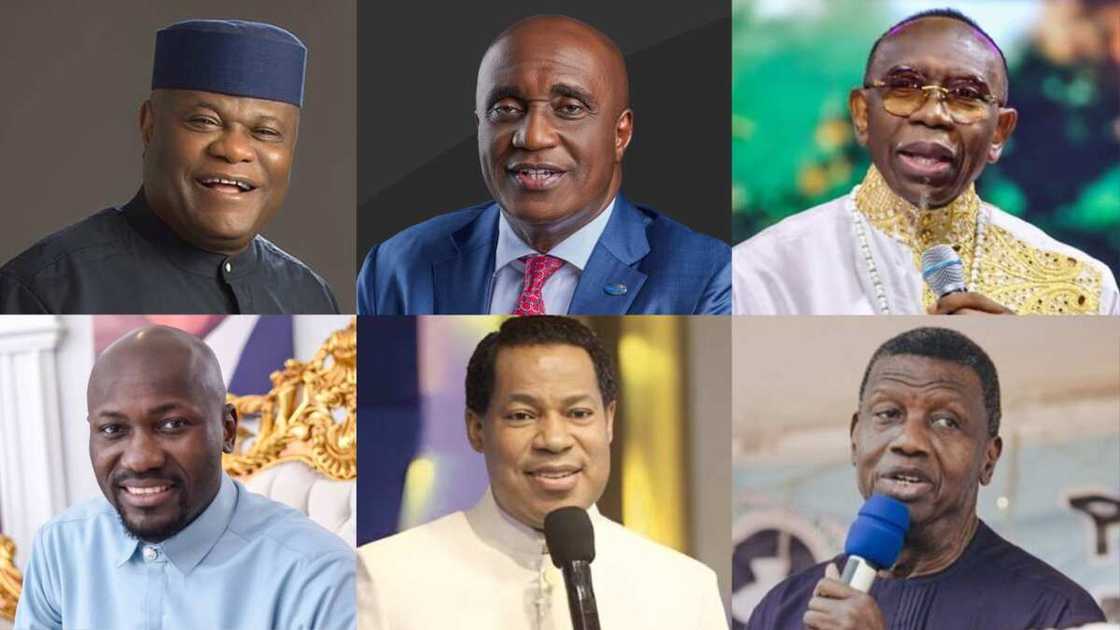
- The Nigerian Reality: Conversely, Omolehin pointed out that out of the top ten richest pastors globally, five are Nigerians. Despite this high concentration of individual multi-millionaire clerics who frequently acquire private aircraft and luxury estates, no indigenous Nigerian church features on the list of the world’s wealthiest churches.
Institutional Legacy vs. Individual Opulence
The cleric’s observations highlight a deep systemic issue regarding how church finances are structured in Nigeria, where ministry resources are often tightly tied to the personal brand and lineage of the founding pastor.
| Religious Entity / Category | Financial Structure | Asset Ownership | Public Perception & Impact |
|---|---|---|---|
| Global Historic Churches (e.g., Catholic, LDS, Church of England) | Deep institutional endowments, real estate, historical art, and global investment portfolios. | Assets belong strictly to the corporate church entity, not individual leaders. | Viewed as generational institutions capable of funding massive global charity and development. |
| Nigerian Megachurches (Pentecostal / Charismatic) | Heavy cash flow driven by tithes, offerings, and localized business investments. | High concentration of personal wealth, luxury fleets, and private jets held by the General Overseer. | Frequently criticized for creating a vast economic divide between wealthy preachers and impoverished congregations. |
A Call for Structural Reformation
Omolehin’s critique comes at a time of mounting public frustration over the economic pressures facing regular Nigerians, contrasting sharply with the tax-free wealth displayed by top religious leaders.
Church administration experts argue that until Nigerian ministries transition from “one-man-show” leadership models to highly accountable, structured corporate governance systems, their financial impact will remain localized and personality-driven. Omolehin’s commentary serves as a reminder to the body of Christ that true ministerial greatness is measured by institutional legacy and service to the poor, rather than the personal net worth of the man at the pulpit.