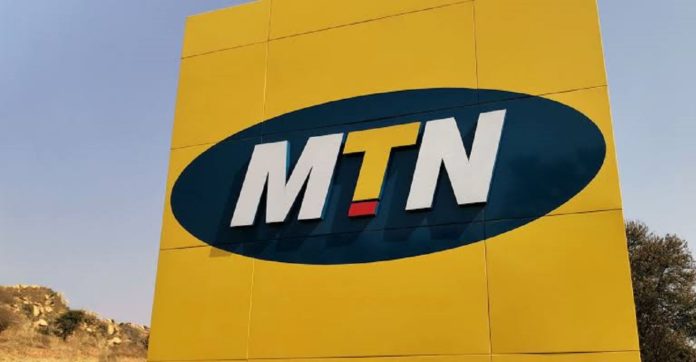

ABUJA — Public outrage regarding the quality of service, rapid data depletion, and alleged “ghost charges” by major telecommunications operators—particularly South Africa–headquartered MTN Nigeria—has intensified alongside broader geopolitical debates over diplomatic ties, economic sovereignty, and consumer protection.
The convergence of widespread subscriber frustration over data billing—exemplified by viral complaints from subscribers who claim multi-thousand-Naira “unlimited” plans were exhausted within days—and recurring diplomatic tensions over xenophobic incidents targeting Nigerians in South Africa has led some political figures and citizens to question MTN’s continued dominant market share in Nigeria.
The Viral Customer Backlash: “Unlimited Data” Under Fire
Subscriber anger reached a boiling point following a viral outburst from an aggrieved customer who challenged the company’s billing mechanisms after spending a fortune on a data plan:
“Where do you want me to get ₦45,000 to recharge again? It is becoming too much despite you telling me it’s unlimited. How can ₦45,000 finish in just four days?”
— Nigerian subscriber calling out MTN after alleging his ₦45,000 “unlimited” data plan was exhausted in four days.
  CONSUMER COMPLAINTS:     Rapid data depletion, hidden Fair Usage Policies (FUP), speed throttling
  CUSTOMER EXPERIENCE:     ₦45,000 high-tier plans vanishing in 4 days despite "unlimited" label
  MTN DEFENSE:            Fair Usage Policies (FUP), high-definition streams, system-wide network limits
  REGULATORY POSITION:     NCC-vetted tariffs; independent billing audits
Addressing public grievances directly during stakeholder sessions tagged “Data on Trial” in Lagos, MTN Nigeria Chief Executive Officer, Dr. Karl Toriola, sparked further debate by declaring that truly unlimited mobile data does not exist anywhere in the world without high price points or strict usage limits:
- The “Unlimited Data” Myth: Toriola asserted that offering completely unrestricted mobile data at affordable rates is technically and financially impossible for cellular networks. “The issue of unlimited data on mobile networks, it doesn’t exist anywhere in the world, except if you’re paying a fortune… You can never build enough capacity for everyone to be on an unlimited bundle and think you’ll provide a quality of service that is decent,” he explained.
- Fair Usage Policies (FUP): Telecommunications operators maintain that plans advertised as “unlimited” are governed by Fair Usage Policies that drop speeds or impose daily/monthly thresholds to prevent network congestion. However, consumers argue that labeling capped or heavily throttled plans as “unlimited” constitutes deceptive marketing.
- Background Data Consumption: MTN attributed rapid data depletion to high-definition video streaming (TikTok, Instagram, YouTube), automated background app updates, and cloud backups over fast 4G and 5G connections.
Diplomatic Tensions and Calls for Retaliation
The controversy around MTN extends beyond consumer tariffs into foreign policy. Following recurring reports of xenophobic violence targeting Nigerian nationals and small businesses in South Africa, lawmakers—including Senator Adams Oshiomhole—have advocated for retaliatory diplomatic and economic measures.
Proposals raised by political commentators and legislators include:
- Nationalisation or License Revocation: Calls for the Nigerian government to review operating licenses or force South African multinational firms—such as MTN, MultiChoice (DStv/GOtv), and Shoprite—to transfer controlling equity to indigenous investors.
- Economic Boycotts & Exit Demands: Directing Nigerian consumers to migrate to indigenous service providers to register national displeasure over the treatment of Nigerians in South Africa and force foreign operators to exit.
Feasibility of Replacing Foreign Operators with Indigenous Companies
While calls for MTN to exit the country appeal to nationalist sentiment and consumer frustration, telecommunication and economic analysts urge caution regarding operational and structural realities:
- Infrastructure Scale: MTN Nigeria currently serves over 75 million subscribers and accounts for a vast share of Nigeria’s digital infrastructure. Replacing such an operation requires trillions of Naira in capital expenditure that local competitors may struggle to deploy immediately without causing severe service disruptions.
- Indigenization vs. Market Competition: Local telecommunications firms—such as Globacom (Glo) and indigenous Internet Service Providers (ISPs)—already operate in the market. Experts argue that boosting local providers is best achieved through regulatory incentives, lower spectrum fees, and local content policies, rather than abrupt market exits that could trigger mass job losses and retaliatory actions against Nigerian investments abroad.