

TEHRAN / WASHINGTON — Tehran has rejected three separate U.S.-backed ceasefire proposals delivered over the past week via diplomatic intermediaries in Qatar, Iraq, and Pakistan, according to sources close to Iran’s chief negotiating team.
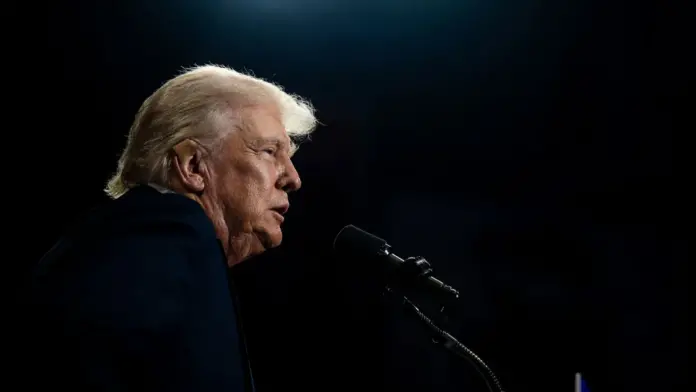
The repeated rejections have reportedly angered former U.S. President Donald Trump, triggering public threats of a “massive strike” against Iranian targets as back-channel diplomatic efforts continue to stall.
Iranian political outlets suggest Tehran is deliberately delaying negotiations until U.S. Strategic Petroleum Reserve (SPR) levels reach critical lows and global crude prices spike, seeking maximum leverage before entertaining any formal agreement.
Iran’s Strategic Petroleum Leverage Strategy
According to sources within Iranian diplomatic circles, Tehran’s current strategy hinges on tightening global energy markets to force Washington to accept its terms:
- Triple Diplomatic Rejection: Iran turned down three distinct ceasefire offers mediated through Qatari, Iraqi, and Pakistani channels within a single week, refusing to enter talks under coercive threats.
- SPR Depletion Benchmark: Iranian strategists are reportedly waiting for the U.S. Strategic Petroleum Reserve to reach critically low thresholds—projected for mid-August—before considering diplomatic terms.
- Oil Price Targets: Iranian analysts anticipate that delaying a deal until global oil prices hit approximately $120–$124 per barrel will shift economic pressure squarely onto Washington, eventually forcing an acceptance of Iran’s conditions.
U.S. Reserves Hit 40-Year Lows Amid Middle East Strains
Data from the U.S. Energy Information Administration (EIA) confirms that the U.S. Strategic Petroleum Reserve has fallen to approximately 311.4 million barrels—marking its lowest level since March 1983.
  U.S. SPR LEVEL:               ~311.4 Million Barrels (Lowest since March 1983)
  PROJECTED OIL CRACK SPREAD:   $120 – $124 / barrel if dual chokepoint disruptions occur
  CRITICAL CHOKEPOINTS:         Strait of Hormuz & Bab el-Mandeb
Energy analysts warn that simultaneous operational disruptions along both the Strait of Hormuz and the Bab el-Mandeb strait could immediately restrict global supply, driving crude prices above $124 per barrel by August and severely compounding global inflationary pressures.
Escalating Rhetoric and Global Energy Risks
The impasse highlights growing instability across key maritime corridors, where ongoing Houthi actions in the Red Sea and Iranian operations near the Persian Gulf threaten to create a dual chokepoint crisis.
With Washington facing shrinking strategic oil reserves and Tehran holding out for maximum economic leverage, global commodity markets remain on edge as military threats and energy warfare take precedence over diplomatic compromise.