
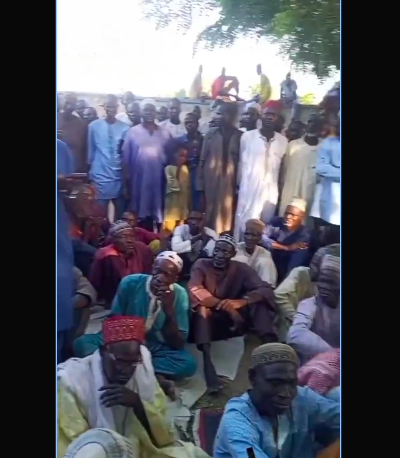


GUSAU / KATSINA — Distressing reports from displaced residents across rural communities in Nigeria’s North-West region—spanning Zamfara, Katsina, Sokoto, and Kebbi states—highlight a worsening humanitarian crisis, as armed bandit syndicates continue to sack Hausa farming villages and force thousands of residents into Internally Displaced Persons (IDP) camps.
A distress call circulating from affected communities depicts the plight of predominantly Hausa agrarian villages that have been forced to abandon their ancestral lands, homes, and farms due to relentless raids, extortion, and mass abductions by heavily armed non-state actors.
According to humanitarian monitoring agencies and international tracking frameworks, tens of thousands of rural Hausa farmers across dozens of villages in Zamfara, Katsina, and Sokoto have been displaced into makeshift urban IDP centers or host communities, abandoning agricultural cycles due to security threats.

Key Issues Highlighted by Affected Communities
Displaced residents and community leaders fleeing rural outposts cite several critical factors driving the internal displacement crisis:
- Mass Displacement of Hausa Agrarian Villages: Over dozens of rural farming communities in local government areas such as Anka, Bungudu, Maru (Zamfara), Batsari, Faskari (Katsina), and Sabon Birni (Sokoto) have been largely deserted, with residents fleeing to LGA headquarters or state capitals.
- Destruction of Rural Livelihoods: Fleeing villagers report that armed criminal groups enforce illegal levies on farmlands, rustle livestock, and burn grain silos, leaving communities with no choice but to migrate to urban centers for survival.
- Humanitarian Strain on IDP Camps: The sudden influx of displaced families into urban centers like Gusau, Katsina, and Sokoto has stretched humanitarian infrastructure, leading to severe shortages of shelter, clean water, medical supplies, and food assistance.
Root Causes: Organized Crime vs. Ethnic Tensions
While local victim accounts often emphasize ethnic dimensions—pointing to the heavy recruitment of disenfranchised rural Fulani pastoralists into bandit syndicates targeting Hausa farming communities—security analysts and independent researchers emphasize that the conflict is predominantly driven by predatory criminal enterprise.
  PRIMARY DRIVERS OF NORTH-WEST DISPLACEMENT:
  • Armed Banditry & Kidnapping-for-Ransom Networks
  • Resource Competition over Farmlands and Grazing Corridors
  • Proliferation of Illicit Small Arms Across Forest Borders
  • Retaliatory Violence Between Bandits and Local Vigilante Groups (Yan Sakai)
Experts note that while the armed gangs operate primarily for financial gain—profiting from ransoms, illegal mining, and commercial extortion—the brutal nature of village raids has severely inflamed inter-communal distrust and altered the demographic landscape of rural Northern Nigeria.
Security & Humanitarian Demands
Displaced leaders and civil society groups are urging the Federal Government, military authorities under Operation FANSAN YAMMA, and international relief agencies to take immediate action:
- Permanent Security Outposts: Establish permanent military presence along critical rural axes to allow displaced villagers to return to their farmlands safely.
- Emergency Humanitarian Aid: Deploy immediate food aid, medical supplies, and shelter support through the National Emergency Management Agency (NEMA) to overcrowded IDP centers.
- Disarmament of Non-State Armed Groups: Intensify kinetic operations to neutralize bandit enclaves in forest reserves along the Kaduna-Zamfara-Katsina border corridors.