
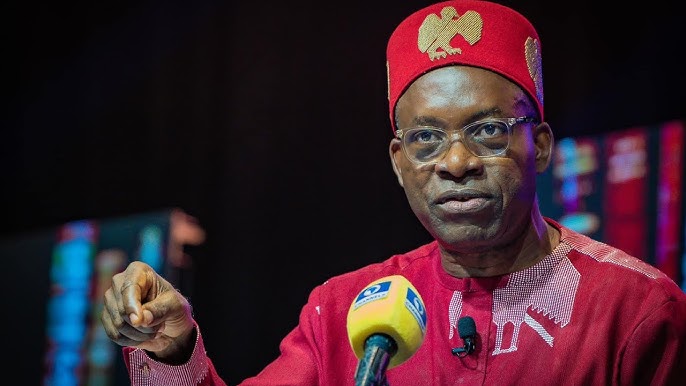


AWKA — In what is increasingly unfolding as a deliberate campaign for the cultural and moral rebirth of Anambra State, the administration of Governor Chukwuma Charles Soludo is waging a two-front war: dismantling the entrenched infrastructure of fraudulent spiritualism while aggressively resurrecting the state’s historical legacy of intellectual excellence.
For nearly two decades, the social fabric of the Southeast state suffered a gradual erosion. The traditional reverence for hard work, academic rigor, and legitimate enterprise was increasingly overshadowed by a subculture of quick wealth. Magical money-making schemes—popularly referred to as Oke-Ite—and the rise of rogue spiritualists offered cover for internet fraud, kidnapping, and violent criminality.
However, recent enforcement actions and symbolic state policies suggest the Soludo administration is attempting a systemic reset, steering the public conscience away from juju-driven materialism and back toward the foundational values that once defined the state.
The Enforcement: Stripping the Veil Off Deception

The legislative backbone of this campaign took firm shape with the enactment of the Anambra State Homeland Security Law, a legal instrument designed to target individuals using religion or traditional practice to facilitate crime or exploit vulnerable citizens.
Under this legal framework, state security agencies have moved against prominent figures in the illegal spiritual ecosystem. Notable cases include the arrest and ongoing prosecution of figures like Johnpaul Ezenagu (popularly known as Mmuo Mmili Afulu Anya), who faces charges relating to fraudulent ritual practices, misleading the public with claims of supernatural wealth generation, and the alleged distribution of counterfeit currency to internet fraudsters.
The state’s crackdown has not spared rogue elements within organized religion. Through the Ministry of Information and the state’s security apparatus, the government recently initiated legal proceedings against several self-proclaimed pastors accused of staging fake miracles, extortion, and operating fraud syndicates under the guise of church ministries.
State officials have repeatedly stressed that the enforcement does not target legitimate traditional medicine or genuine religious practice, but rather the criminal exploitation of faith and superstition to justify ill-gotten wealth.
The Symbolism: Elevating the Real Role Models
While law enforcement officers dismantle illegal shrines and charge fraudulent clerics in courtrooms, the administration is simultaneously attempting to reshape what the youth view as success.
That strategy was on full display in Ogidi, Idemili North Local Government Area, where Governor Soludo officially unveiled a massive statue of the late literary giant, Professor Chinua Achebe, at the Ugwunwasike Roundabout.
Addressing a crowd of academics, community leaders, and youths, Soludo made the intent of the monument explicit: it is a direct rebuke of the get-rich-quick culture and cultism that have plagued parts of the state in recent years.
“This statue is not merely a monument; it is a powerful symbol of excellence, authenticity, courage, and the timeless values that Professor Chinua Achebe stood for,” Soludo declared during the unveiling. “Those who brandish obscene wealth—Chinua Achebe told us it is not the way to go. By this statue, Nigerian youths must derive inspiration to build success on discipline, hard work, and character.”
The immortalization of Achebe—which follows the earlier renaming of the Anambra International Passenger and Cargo Airport in his honor—is designed as a persistent visual counter-narrative to the flashy, unexplained wealth often celebrated on social media.
Reclaiming the Legacy
For decades, Anambra earned its reputation as an intellectual powerhouse, producing globally recognized icons across literature, science, public administration, and legitimate commerce.
By pairing strict judicial prosecution of fraudulent spiritual actors with public celebration of intellectual giants like Achebe, the current administration is making a calculated bet: that by removing the facilitators of fake wealth and re-elevating real merit, the state can systematically purge the criminal subculture and restore its traditional standard of achievement.
Whether this policy shift permanently alters the societal mindset remains to be seen, but the message from Awka is clear—the era of unearned wealth masquerading as success in Anambra State is officially under siege.