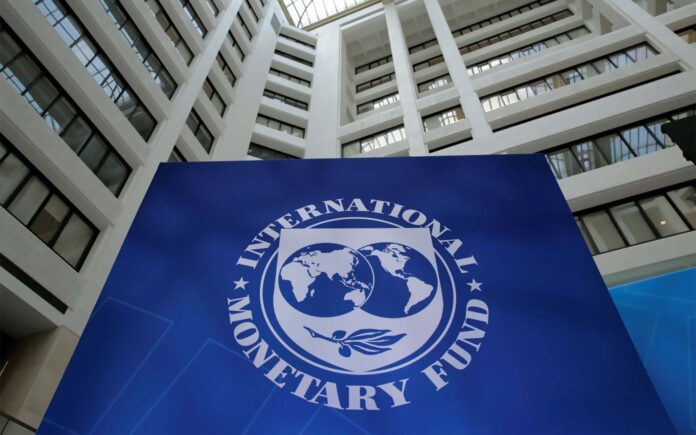

ABUJA, NIGERIA – The International Monetary Fund has advised the Federal Government of Nigeria to introduce new taxes on petroleum products and telecommunication services as part of a strategic package to boost non-oil revenue and fix the nation’s widening fiscal deficits.
The recommended measures, aimed at expanding Nigeria’s domestic revenue base, are expected to stir intense debate across the country as citizens grapple with an already high cost of living.
Targeting Fuel Consumption and Communication
The recommendation was contained in the latest economic assessment policy brief for Nigeria. The multilateral institution argued that Nigeria’s tax-to-GDP ratio remains among the lowest globally, limiting the government’s capacity to fund critical infrastructure and social safety nets.
To bridge this gap, the international financial organization proposed the implementation of a specific consumption tax on premium motor spirit, popularly known as petrol, alongside a dedicated electronic communication tax on voice calls and data services.
The organization maintained that these two sectors offer the most viable, high-volume pathways for sustainable revenue generation due to their broad, daily usage across the entire population.

Expanding the Domestic Tax Net
Beyond fuel and telecommunications, the policy roadmap urged Nigerian fiscal authorities to aggressively scale up structural tax reforms. The recommendations include increasing the efficiency of Value Added Tax collections, streamlining corporate tax exemptions, and widening the personal income tax net to capture the vast informal sector.
According to economic advisers, relying on crude oil revenues is no longer a viable long-term strategy given global market volatility. They stressed that domestic resource mobilization is critical to stabilizing the economy, managing rising debt servicing costs, and curbing inflationary pressures.
Potential Backlash and Economic Impact
The proposal comes at a highly sensitive time for Africa’s most populous economy. Following previous policy adjustments, including the removal of petrol subsidies and the unification of foreign exchange windows, additional levies on transport fuel and digital communication are likely to face stiff resistance from organized labor and civil society groups.
Financial analysts warn that while the recommended taxes could successfully boost state coffers, they risk further dampening consumer purchasing power and escalating operational costs for small and medium-sized enterprises that rely heavily on affordable fuel and digital connectivity.
The Federal Ministry of Finance and the Federal Inland Revenue Service have yet to issue a formal position on whether they will fully adopt the controversial revenue proposals.