



MAIDUGURI, NIGERIA – The recent announcement by the Borno State Government regarding the formal forgiveness and social reintegration of repentant Boko Haram and Islamic State West Africa Province terrorists has triggered a massive, highly polarized wave of public reactions across Nigeria.
While state administrators defend the program as a vital strategic tool to end the protracted conflict, the move has ignited severe political and ideological pushback, with critics viewing the amnesty as a dangerous policy of appeasement.
Allegations of Ideological Bias
The decision to grant amnesty to former fighters after swearing a Quranic oath of non-violence has fueled sharp political criticisms on digital platforms. Opponents of the ruling All Progressives Congress administration argue that the rapid rehabilitation of these individuals, compared to the slow resettlement of millions of victims in displaced persons camps, suggests a deeply flawed priority framework.
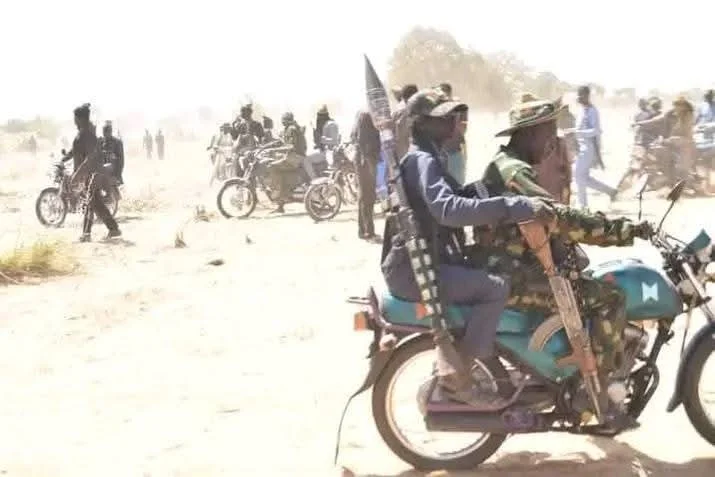
Some critics have characterized the reintegration policy as part of a broader, systemic agenda, claiming that political actors are using state resources to shield violent extremists from the full weight of judicial prosecution. These dissenting factions assert that treating former insurgents with leniency validates their past atrocities and turns them into symbols of institutional privilege rather than criminals.
The State’s Counter-Insurgency Defense
In sharp contrast to the public outrage, the Borno State Government and regional security strategists have repeatedly clarified that the non-kinetic approach, often referred to as the local surrender model, is purely a military and administrative strategy.
Authorities maintain that providing an exit pathway for low-risk conscripts, informants, and forced laborers has successfully depleted the operational capacity of terrorist networks far more effectively than traditional combat alone. According to policy defenders, the mass surrenders have significantly lowered the frequency of rural ambushes and paved the way for the restoration of farming and economic activities in long-abandoned border communities.
Deepening Trust Deficits in Affected Areas
Despite official statistics showing the surrender of over one hundred thousand individuals, a severe trust deficit persists on the ground. Host communities, human rights organizations, and survivors of the insurgency continue to express deep anxiety over the lack of a comprehensive victim-justice framework.
The primary point of friction remains the psychological impact on families who are now expected to live peacefully alongside individuals who may have participated in the destruction of their livelihoods. Security observers note that without a transparent process that balances forgiveness with reparations for victims, the mass reintegration policy risks escalating local tensions and undermining long-term regional stability.