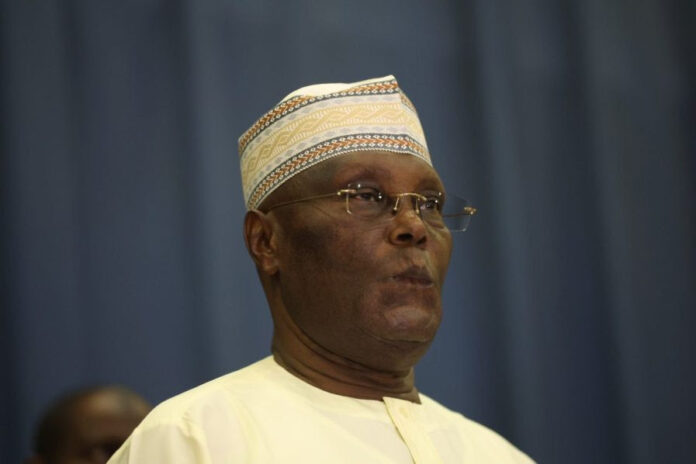

KADUNA, Nigeria — Prominent northern political commentators and grassroots organizers have delivered a harsh assessment of former Vice President Atiku Abubakar’s future ambitions, declaring that Northern Nigerians have effectively rejected his anticipated 2027 presidential bid due to a lack of meaningful impact on the region.
The criticisms, which reflect growing discontent among northern electorates, accuse the People’s Democratic Party (PDP) chieftain of using his wealth exclusively for political survival rather than community development. Critics argue that Atiku’s financial interventions are carefully timed to manipulate party delegates and impoverished voters during election cycles.
The ‘Primary and General Election’ Money Formula
Public dissatisfaction came to a head following a viral critique by northern commentator Shehu Gazali Sadiq, who openly criticized the former Vice President’s financial priorities. Sadiq accused Atiku of abandoning the region outside of election periods, reserving his wealth solely for political bribes.
“Atiku Abubakar does not make a significant impact on the lives of Northern Nigerians,” Sadiq stated. “His money is only for primary and general elections. If you are not a delegate, forget it. If you vote for him during the general election, you get ₦2,000. Northern Nigerians have rejected him as far as 2027 is concerned.”
A Widening Gulf in the North
The pushback highlights a deepening political vulnerability for Atiku within his traditional northern base. For decades, the region served as his primary electoral stronghold. However, younger voters and regional activists are increasingly demanding sustainable development, job creation, and security interventions over temporary handouts.
The accusation of “₦2,000 votes” strikes a sensitive chord in a region currently battling severe economic hardship, inflation, and insecurity. Political analysts note that these structural grievances are turning the local populace against career politicians who rely on transactional politics.
The Road to 2027
With the 2027 general elections on the horizon, Atiku’s political strategists face an uphill battle to rewrite this narrative. As rival opposition coalitions form and new political movements emerge across the North, the demand for accountable, everyday leadership threatens to sideline politicians accused of practicing seasonal philanthropy.