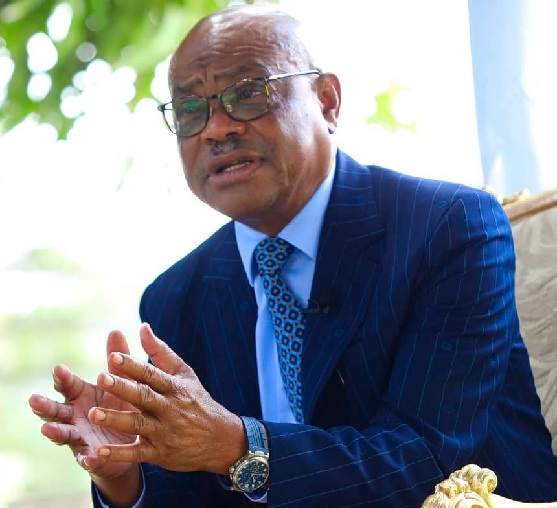

ABUJA, Nigeria — When President Bola Ahmed Tinubu appointed former Rivers State Governor Nyesom Wike as the Minister of the Federal Capital Territory (FCT), ripples of anxiety surged through the territory’s expansive Igbo community.
For many Ndi Igbo living and doing business in Abuja, Wike’s political history—marked by intense rivalries during the 2023 general election, particularly against Labour Party presidential candidate Peter Obi—loomed large. With Obi remaining a formidable opposition figure and continuing to challenge President Tinubu’s administration, concerns linger over whether political fallout will continue to impact administrative policies in the nation’s capital.
At the center of these anxieties lies a delicate balance between political friction, high-stakes private sector investments, and aggressive urban renewal drives.
High-Stakes Land Disputes and Political Fallout
The tension between the FCTA and Igbo investors reached a boiling point over the enforcement of the Abuja Master Plan. A major flashpoint occurred when the FCTA ordered the demolition and revocation of a 214-hectare estate development in Asokoro District belonging to Chief Nicholas Ukachukwu, CEO of SNECOU Group Limited.
Ukachukwu publicly decried the exercise, accusing the minister of disregarding court orders and acting out of ethnic and political bias. The dispute ignited sharp reactions from socio-cultural bodies, including the Igbo Community Assembly (ICA) in the FCT, which issued a public appeal calling on President Tinubu to intervene and caution the minister against actions perceived as targeting southeastern investors.
Minister Wike strongly rejected these allegations during a live media briefing, maintaining that the enforcement actions were strictly legal and anti-land-grabbing measures aimed at curbing systemic fraud within the FCT Administration’s land department. According to Wike, the allocation lacked ministerial approval, and the administration’s drive to restore order applies to all violators regardless of ethnicity or political affiliation.
Commercial Dominance and Economic Realities
Despite the political climate, the Igbo community remains one of the largest economic pillars of the Federal Capital Territory. Ndi Igbo hold substantial stakes across key sectors:
- Real Estate & Construction: Developing residential estates, commercial plazas, and private infrastructure across the FCT’s expanding districts.
- Commerce & Retail: Managing major markets such as Wuse Market, Utako Market, and various suburban trade hubs.
- Logistics & Transport: Driving inter-state transit and distribution networks connecting the nation’s capital to the South-East and South-South regions.
Industry analysts note that given this level of economic integration, complete disruption is improbable. The FCTA itself relies heavily on private commerce and urban trade to sustain local revenues and economic vitality.
Internal Community Dynamics and Leadership Shifts
Adding to the complexity are internal dialogues within the Igbo community itself regarding leadership and civic integration. Socio-cultural organizations like Ohanaeze Ndigbo (FCT Chapter) have emphasized peaceful co-existence and civic compliance, urging residents to navigate the current political terrain through formal dialogue rather than confrontation.
In a notable position statement, Ohanaeze leaders in Abuja called for a focus on economic integration and respect for local traditional structures, discouraging parallel traditional kingdoms within host communities in the FCT. Community leaders continue to engage with the administration to ensure that legitimate business interests, property rights, and security are protected under the law.
Looking Ahead
As political dynamics evolve ahead of future electoral cycles, the relationship between the FCT Administration and the Igbo business community remains a vital bellwether for civic governance in Abuja. While fears of political victimizations persist among some residents, the prevailing reality remains defined by pragmatic economic survival, legal negotiation, and the enduring resilience of Igbo commerce in Nigeria’s capital.
For further context on how property developers and socio-cultural groups reacted to the land revocations in Abuja, you can watch this report on the Igbo Community Assembly’s response to FCT land demolitions. This video provides primary coverage of the press briefings and community statements following the Asokoro estate enforcement exercise.