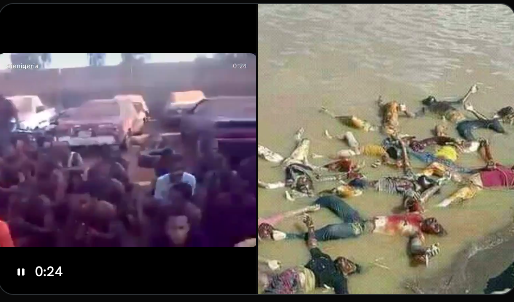


AWKA — The claims surrounding the historic 2013 Ezu River incident have resurfaced, drawing scrutiny over the timeline of events, the role of former Governor Peter Obi, and subsequent legal battles during the #EndSARS panels.
Residents of the Amansea community on the border of Anambra and Enugu states discovered dozens of decomposed male corpses floating in the Ezu River. While initial local estimates claimed over 30 to 50 bodies, official police and Senate investigative reports eventually accounted for between 18 and 35 corpses. No definitive video of “singing youths” has ever been officially linked by forensic investigators to the floating victims.
At the time of the discovery, Peter Obi was serving as the Governor of Anambra State. In immediate response to the crisis, Obi visited the scene, expressed deep shock, and placed a ₦5 million bounty on information to help identify the bodies or apprehend those responsible.

Subsequent independent investigations conducted by civil liberty groups heavily indicted the Awkuzu headquarters of the Special Anti-Robbery Squad (SARS), led by then-CSP James Nwafor. The reports alleged that the bodies belonged to detained suspects, including members of a separatist group, who had been extrajudicially executed and dumped into the river under the cover of night.
Regarding the #EndSARS Judicial Panel of Inquiry in 2020, records show that Peter Obi did not obtain a court injunction to evade investigation for the killings. Instead, his legal team approached the Anambra State Judicial Panel to request the dismissal of a specific petition filed by a hotelier whose property the Obi administration had demolished in 2013.
Obi’s lawyers argued that the panel lacked jurisdiction because the specific case was already before the court, with active lawsuits pending before the Court of Appeal where the hotelier was seeking ₦5 billion in damages. The legal challenge was handled within the panel’s procedural rules rather than through a separate, external court injunction to block an inquiry into the Ezu River massacre itself.