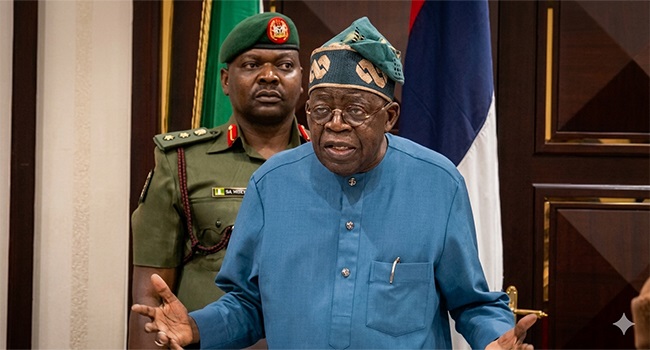

ABUJA, NIGERIA — The Federal Government has failed to publish its statutory quarterly budget implementation reports for three consecutive quarters. This marks the first time in 15 years that the Budget Office of the Federation has maintained such a prolonged period of fiscal silence.
An investigation into the Budget Office platform confirmed that the government has not released the performance scorecards for the third quarter of 2025 (Q3), the fourth quarter of 2025 (Q4), and the first quarter of 2026 (Q1).
Violation of the Fiscal Responsibility Act
The prolonged withholding of this data directly violates the Fiscal Responsibility Act (FRA) of 2007:
- Section 30 (FRA): Mandates that the Minister of Finance, via the Budget Office, must evaluate the annual budget implementation quarterly and report to the Joint Finance Committee of the National Assembly.
- Section 50 (FRA): Requires the government to publish a summarized report on budget execution online and in mass media within 30 days after the end of each quarter.
The statutory deadline for the Q1 2026 budget implementation report lapsed on April 30, 2026, with no document uploaded. The only 2026 fiscal documents available on the official portal are the raw 2026 Appropriation Bill details uploaded in January.
Mounting Public Outrage & Criticism
This unprecedented lapse in accountability has drawn severe criticism from civil society organizations, fiscal watchdogs, and citizens. Financial analysts point out that the blackout obscures how public funds are earned and utilized.
The lack of clarity is particularly controversial following severe economic pressures, including an inflation rate that peaked over 33% and the controversial removal of fuel subsidies. Critics highlight a double standard: the administration is enforcing rigid tax compliance while simultaneously hiding how current tax revenues are spent.
Compounding Transparency Issues
The missing reports are part of a wider trend of declining data transparency across federal agencies:
- The Central Bank of Nigeria (CBN): Has faced criticism for failing to update its monthly economic tracking reports detailing consolidated government expenditures.
- The Open Treasury Portal: Users report that comprehensive daily spending tracking data for ministries, departments, and agencies (MDAs) remains largely inaccessible.
The opacity is raising concerns among local civic groups and international investors. It coincides with the government simultaneously executing overlapping capital projects under the newly signed ₦68.32 trillion 2026 Budget and an extended 2025 Budget implementation window running until June 30, 2026. Without the mandatory quarter-by-quarter reports, parliamentarians and watchdogs warn it is impossible to verify if public funds are being legally deployed or diverted.