

ABUJA — For months, Nigeria’s opposition landscape has been a house divided, a theatre of courtroom dramas and leadership tussles. But recent events in the capital have pulled back the curtain on a coordinated effort to manage—and dismantle—the rivals of the current administration ahead of the 2027 general elections.
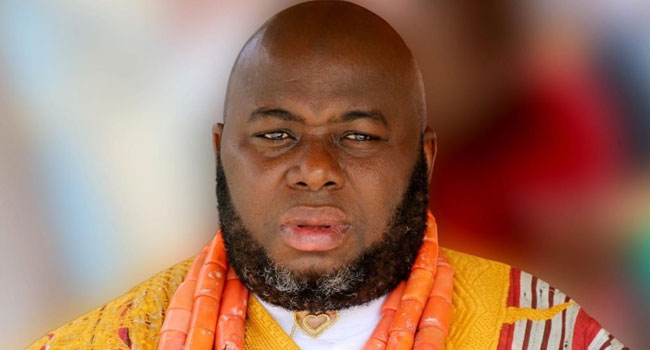
At the heart of the storm are two figures close to the seat of power: the President’s Chief of Staff, Femi Gbajabiamila, and the firebrand Niger Delta activist, Asari Dokubo.
“Don’t Abandon Them”: Gbajabiamila and the ADC
The fire was lit when a viral video surfaced featuring Gbajabiamila offering “advice” to Representative Leke Abejide during a private anniversary celebration. Gbajabiamila, a seasoned veteran of legislative warfare, was captured urging the Yagba Federal Constituency lawmaker to remain in the African Democratic Congress (ADC) despite its internal crises.
“I know you to be a fighter,” Gbajabiamila said. “So please, my charge to you is to stay in that same ADC. Fight them. Scatter them! Hold on to your party… We like what you are doing.”
The Chief of Staff went further, claiming the ADC belonged to Abejide because he built it with his “sweat and money.” By encouraging a loyalist to stay and “scatter” the opposition from within, analysts say the Presidency is executing a “divide and conquer” playbook to ensure the ADC remains a manageable entity rather than a unified threat.
The Enforcement Arm: Asari Dokubo Takes on Kwankwaso
As Gbajabiamila manages the internal mechanics of the ADC, the battle has moved to the Northern front via Asari Dokubo. The activist recently vowed to be at the “forefront” of a campaign to de-market the leader of the New Nigeria Peoples Party (NNPP), Senator Rabiu Musa Kwankwaso, for 2027.
“He thinks he can sell Muslims for Kobo Kobo, but we are going to disappoint him,” Dokubo declared, following a video message released by the former Kano Governor.
Dokubo’s intervention is seen by many as more than mere personal opinion. The activist enjoys a notoriously cozy relationship with President Tinubu, a bond that dates back to the President’s time as Governor of Lagos. Critics and opposition figures have long alleged that Dokubo is a primary benefactor of “Tinubu largesse,” serving as an unofficial enforcement arm used to intimidate politicians who oppose the President’s interests.
The ‘Controlled Opposition’ Narrative
The synthesis of these two events paints a troubling picture for the 2027 cycle. Between a Chief of Staff advising an opposition figure to “scatter” his own party and a presidential ally vowing to dismantle a Northern powerhouse, the strategy appears clear: weaken the opposition through internal friction and external intimidation.
Groups within the ADC and the Kwankwasiyya movement have reacted with fury. The ADC Support Group described Gbajabiamila’s comments as an “undemocratic level of interference,” while Kwankwaso’s supporters dismiss Dokubo as a “political mercenary” acting on behalf of his benefactor in the Villa.
A Tightrope Walk for 2027
For the targets of these maneuvers, like Leke Abejide, the path forward is a precarious one. Abejide’s recent remark—”My heart is with both APC and ADC”—perfectly encapsulates the blurred lines of modern Nigerian politics, where the distinction between the ruling party and the opposition is increasingly being erased from within.
As the dust settles from these explosive revelations, one thing is clear: the road to the next general election will not be paved with traditional party lines, but with the “sweat, money,” and strategic “scattering” of those who dare to challenge the status quo.