

.
.
ABUJA, Nigeria (September 8, 2026) — A new investigative report has surfaced fresh details supporting allegations made by detained Borno youth leader Sama’ila Ibrahim Kaigama that the federal government negotiated a ceasefire with Boko Haram and paid a multimillion-dollar ransom to secure the release of civilians abducted earlier this year.
The report, published by The New Humanitarian, found that a ceasefire agreement with Boko Haram has been in place for roughly three months and could be extended by around 40 more days. Three separate sources with contacts inside Boko Haram, including some in the group’s senior ranks, told the outlet the truce had held since June, and residents around Ngoshe, a village in Borno State, said attacks in the area have stopped since it took effect.
The report links the truce to the release in June of 360 civilians who had been abducted from Ngoshe in March, after Boko Haram fighters attacked a nearby military base. According to the outlet’s sources, securing that release involved a payment of roughly ₦5 billion — about $3.7 million — from the government.
That figure closely tracks what Kaigama alleged in a since-widely-discussed appearance on Channels Television’s Sunrise Daily, before his arrest by the Department of State Services (DSS). In that interview, Kaigama said the federal and Borno State governments had struck a 40-day ceasefire with Boko Haram as part of a broader effort to free abductees in the North-East, and accused officials of relying on ransom payments and backroom truces rather than military operations alone. He said billions of naira had changed hands in these negotiations, with terrorists receiving only a portion of the funds and intermediaries pocketing the rest. Kaigama also claimed to be in possession of audio recordings in which he said terrorists could be heard confirming the transactions. He was picked up by DSS operatives shortly after the interview aired.
The federal government has denied that any ransom was paid. The New Humanitarian said government representatives, along with spokespeople for Defence Headquarters and the military, did not respond to requests for comment on the reported ceasefire before publication.
Conflict researcher Malik Samuel, cited in the report, cautioned that the current arrangement may amount to little more than a temporary tactical pause rather than a genuine step toward lasting peace — a pattern consistent with earlier ceasefire attempts, including one during 2022–2023 that ultimately collapsed. The present truce, the report noted, does not extend to ISWAP, the rival Boko Haram offshoot active around the Lake Chad basin, and fighting between the two factions has reportedly continued.
Sources in the report also warned that Boko Haram could use the lull in fighting to regroup, resupply, and reposition equipment into the Mandara Mountains along the Nigeria–Cameroon border — raising concerns that any tactical gains from the pause could be temporary or even counterproductive to long-term security in the region.
Broader Implications
The findings add to a string of recent allegations about backchannel dealings between Nigerian authorities and armed groups. A separate whistleblower account has alleged that a sitting senator was involved in orchestrating the 2023 mass kidnapping of schoolchildren in Kaduna State and received a cut of the ransom subsequently paid by the government — a claim that, like the Borno allegations, the government has not substantiated or addressed in detail.
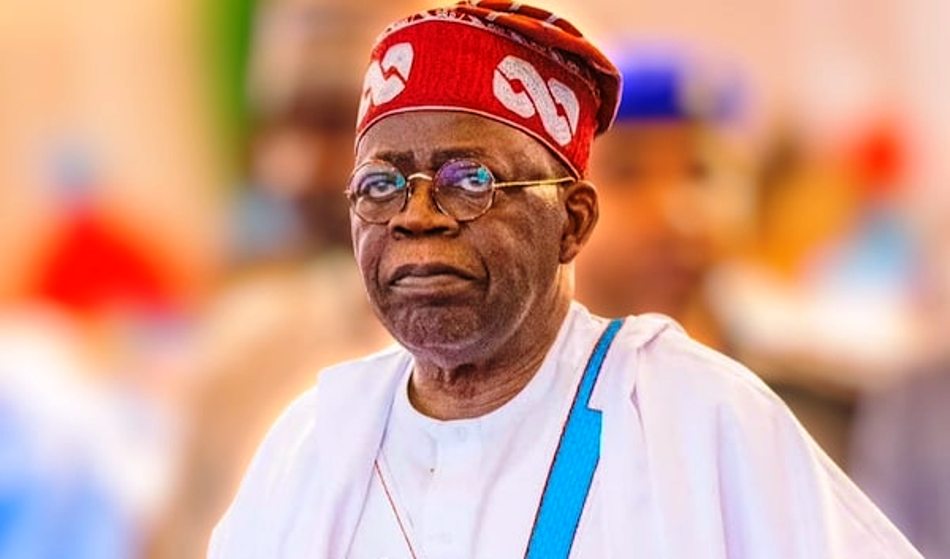
Taken together, the reports have intensified public scrutiny of the Tinubu administration’s counter-insurgency strategy, particularly the gap between its public position — that it does not negotiate with or pay terrorists — and accounts from security sources, conflict researchers, and now an independent investigative outlet suggesting contacts, truces, and payments have occurred outside public view.
Kaigama remains in DSS custody. It is unclear whether he has been formally charged, and neither the DSS nor the federal government has issued a detailed public response to the allegations he raised or to the corroborating findings in the new report.
This is a developing story.