

.
.
.
By News Desk
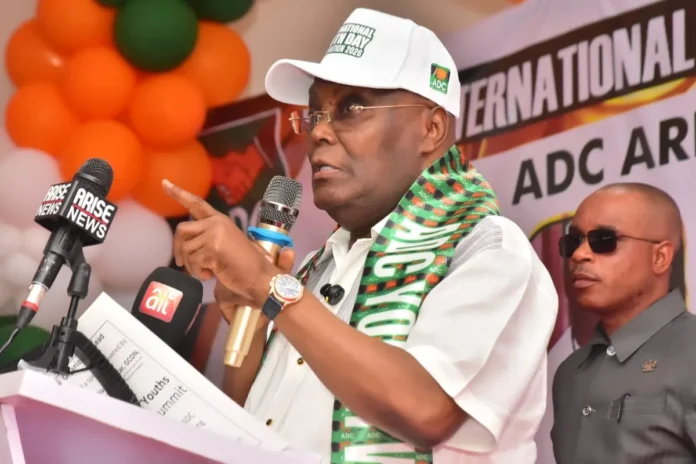
ABUJA, Nigeria — Intense debate has erupted within Nigeria’s opposition coalition circles following public pushback against the prospect of former Vice President Atiku Abubakar leading the anti-incumbent bloc in the next general election cycle.
Political analysts and opposition strategists supporting former Anambra State Governor Peter Obi argue that continuing to rely on legacy political figures overlooks the shifting demographics of the Nigerian electorate demonstrated during the 2023 presidential race.
Dissecting Electoral Performance and Track Records
Critics of Atiku’s continued presidential bids point to his long electoral timeline, framing his political career as a series of repeated attempts that have failed to secure a national victory:
- Three-Decade Electoral Attempts: Atiku Abubakar has pursued the presidency across six different election cycles—1993, 2007, 2011, 2015, 2019, and 2023. Proponents of opposition reform argue that six unfulfilled attempts reflect repeated electoral rejection rather than political resilience.
- The 2023 Third-Force Paradigm: In his debut presidential outing under the Labour Party banner, Peter Obi secured over 6.1 million votes. Analysts note that this first-time total rapidly rivaled the established party machinery built by the Peoples Democratic Party (PDP) over several decades.
- Vote Splitting vs. Electoral Appeal: While legacy party loyalists frequently characterize third-party movements as “vote splitters” that enabled the ruling party’s victory, Obi allies counter that the electorate’s move away from traditional structures reflects genuine demand for political change.
Legal Hurdles and Political Leadership
The debates over candidate viability come alongside broader discussions regarding party organization and political messaging across opposition platforms:
- Party Registration and Bureaucracy: Discussions around registration challenges faced by emerging political movements—such as the Nigeria Democratic Congress (NDC)—are framed by political organizers as administrative matters rather than issues of candidate integrity.
- Demographic Realities: Opposition commentary has increasingly questioned whether an 80-year-old candidate making a seventh presidential attempt can effectively capture the enthusiasm of Nigeria’s predominantly young electorate.
- Public Critiques from Elite Figures: High-profile political figures, including former Minister of Transportation Rotimi Amaechi, have publicly questioned Atiku’s electability in national contests, reinforcing arguments that the opposition requires new leadership to unseat the ruling All Progressives Congress (APC).