
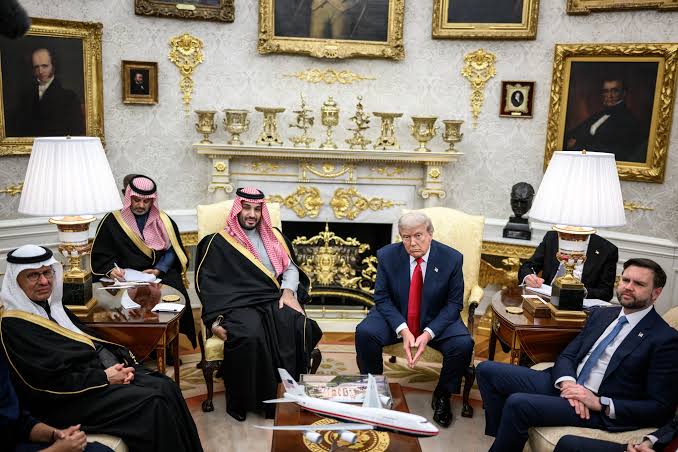


WASHINGTON — Growing dissatisfaction among traditional U.S. allies in the Persian Gulf over the lingering war with Iran has triggered a significant strategic realignment, with regional partners increasingly questioning Washington’s ability to guarantee long-term security.
A report by The Washington Post revealed rising frustration across Saudi Arabia, the United Arab Emirates, Qatar, Kuwait, and Bahrain. Senior Arab and Western officials expressed concern that the continuation of military hostilites without a clear diplomatic resolution has left Gulf nations vulnerable to persistent drone and missile counter-strikes, effectively making them less secure.
The erosion of confidence in Washington’s unilateral protection is driving Gulf capitals to actively seek alternative security partnerships. Earlier this month, Saudi Arabia, Turkey, and Pakistan formally executed the Mecca Joint Defense Agreement, establishing a mutual defense framework designed to enhance regional self-reliance and broaden collective security arrangements outside traditional U.S. channels.
European and Middle Eastern diplomats noted that while core bilateral military ties and defense procurement programs with the United States remain operational, regional leaders are accelerating efforts to diversify their alliances. The shift signals a fundamental change in the Middle East’s security architecture, as Gulf states act to shield their economies and critical infrastructure from the spillover effects of the ongoing conflict.